

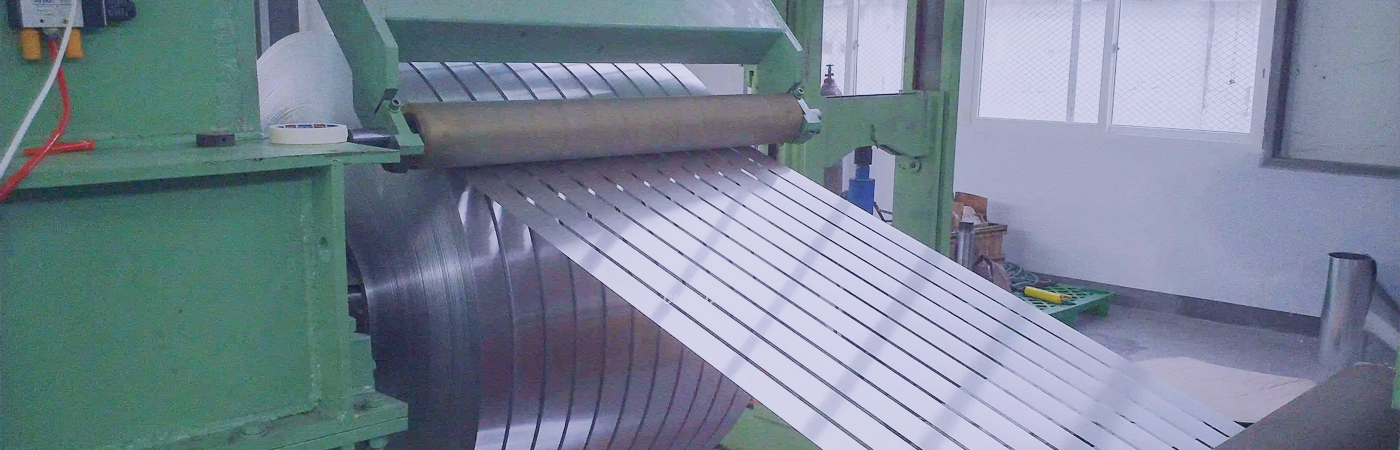
Color Aluminum Strip
For exterior cladding, suspended ceilings, shutters, trim, and appliance components, the highest-risk issue is usually not the aluminum substrate. It is coating durability and color consistency after slitting, forming, installation, and weather exposure.
Prepainted slit aluminum is produced by coating flat-rolled material before it is cut to the required width. This process can provide stable film thickness and efficient fabrication, but only when the coating system, alloy, temper, width tolerance, and inspection method are written clearly in the purchase specification.
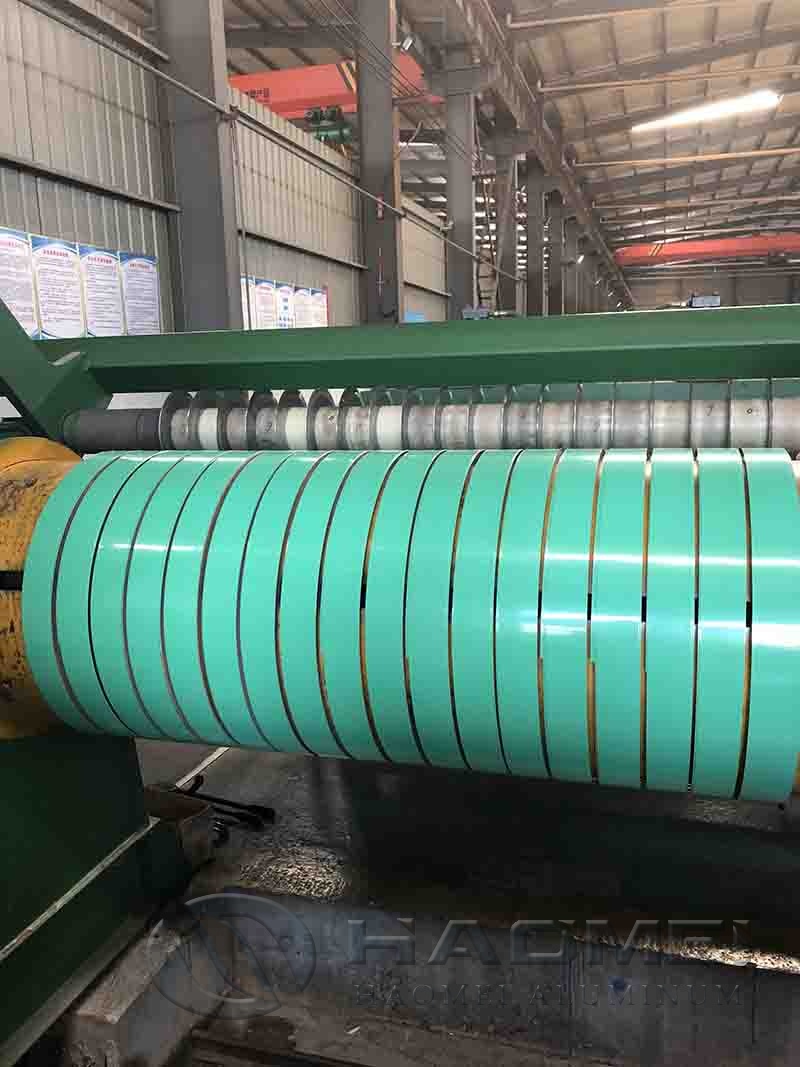
Select the Coating System for the Exposure Environment
Do not select a painted metal product by color card alone. Specify the service environment first: indoor dry area, sheltered exterior, urban facade, coastal exposure, industrial atmosphere, or high-UV region. The resin system controls resistance to ultraviolet radiation, chalking, fading, and chemical exposure.
| Coating system | Typical use | Main strengths | Limits to specify |
|---|---|---|---|
| Polyester, PE | Interior ceilings, sheltered decorative components | Economical, broad color range, good forming capability | Confirm film thickness, pencil hardness, adhesion, and indoor or limited-exterior suitability |
| Silicon-modified polyester, SMP | General exterior roofing and wall applications | Better weathering than standard PE in many systems | Request the supplier's weathering data for the actual formulation and color |
| PVDF fluoropolymer | High-UV facade, premium exterior trim, long-life architectural surfaces | Strong color and gloss retention when specified and applied correctly | Define resin system, dry film thickness, primer, approved color, and weathering standard |
AAMA 2603, AAMA 2604, and AAMA 2605 are widely referenced North American performance specifications for high-performance organic coatings on aluminum architectural products. AAMA 2605 includes 10-year South Florida exposure requirements. Its published weathering criteria include a maximum color change of 5 Hunter E units and a minimum chalk rating of 8 after exposure. Confirm the current revision and whether the coating supplier's test report covers the exact coating family, color, gloss range, and substrate proposed.
For coil-coated aluminum used in building applications, EN 1396 is also relevant. It addresses coated aluminum products for general applications and provides a framework for coating characteristics and testing. It does not remove the need to agree project-specific visual and dimensional acceptance criteria.
Substrate selection still matters. For formed ceiling profiles and trim, 1000 Series Aluminum Strip offers high formability and corrosion resistance. For parts needing greater strength, dent resistance, or improved stiffness, 3003, 3005, or 5005 grades may be more appropriate. Temper must match the bending radius and roll-forming operation; an overly hard temper can crack the paint film at a tight bend.
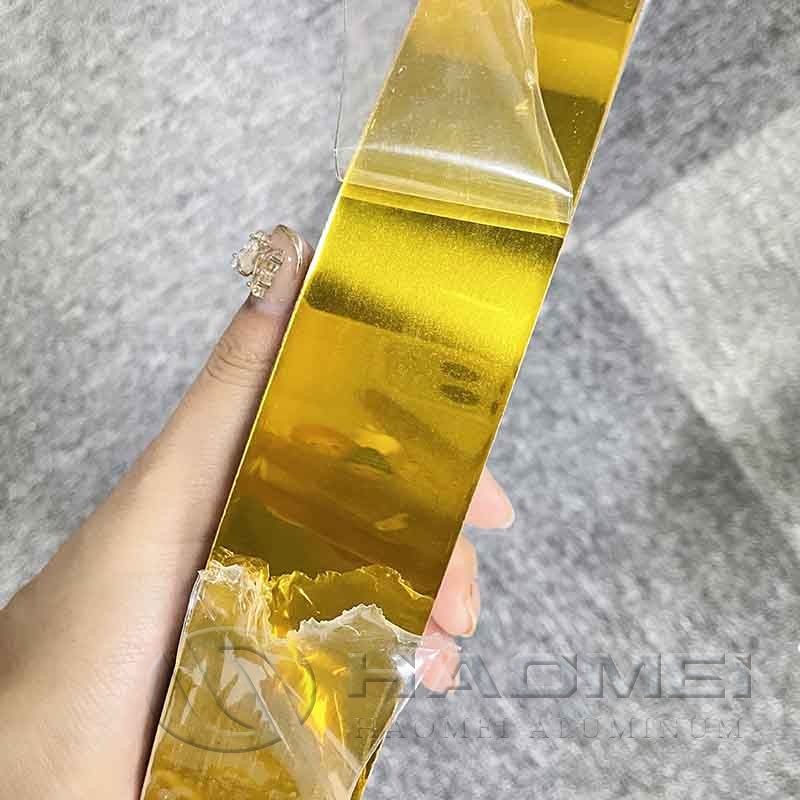
Write a Purchase Specification That Prevents Color Claims
Color variation is the most frequent visual dispute with painted aluminum. A sample approved under office lighting may look different outdoors because metallic pigments, gloss, viewing angle, and illumination affect perception. A color name or RAL reference alone is not sufficient for acceptance.
Use this specification checklist in the purchase order:
| Item to state | Recommended requirement |
|---|---|
| Base metal | Alloy, temper, thickness, width, inside diameter, outside diameter, and coil mass range |
| Dimensional standard | ASTM B209 or EN 485-4, as applicable, plus agreed project tolerances for width, camber, burr, and flatness |
| Coating build | Primer type, topcoat type, nominal dry-film thickness for each layer, and whether a back coat is required |
| Color control | Approved physical standard, color measurement method, illuminant, observer, geometry, gloss level, and allowable difference |
| Surface quality | No exposed substrate, pinholes, coating skips, roll marks, oil staining, scratches, or edge cracking visible at the agreed inspection distance |
| Fabrication | Minimum bend radius, forming direction, protective film requirement, and permitted edge burr |
| Packaging | Interleaving, moisture barrier, edge protection, pallet method, maximum stacking height, and indoor storage condition |
ASTM D2244 provides methods for calculating color differences from instrumentally measured color coordinates. It does not impose one universal acceptable Delta E value. The permitted color difference must therefore be contractual. For critical facade colors, define both an instrumental limit against the approved standard and a visual assessment under stated lighting conditions.
Specify color consistency by production run. Mixing material from different coating campaigns can create visible variation even when each piece meets a nominal color tolerance. Require traceability from finished slit coil to the parent coil, coating batch, and inspection report.
For decorative architectural applications, consider 5005 Aluminum Strip when a smoother anodizing response or higher-strength painted substrate is needed. Evaluate the selected grade with the actual forming process rather than relying only on general alloy descriptions.
Verify Quality Before Fabrication and Release
A certificate of analysis confirms chemical composition, but it does not verify paint adhesion, color, gloss, or slitting quality. Request separate substrate and coating documentation.
The incoming inspection plan should include the following checks:
- Verify alloy and temper against the material certificate. Check thickness and width at multiple positions across the coil width.
- Measure coating thickness with a calibrated dry-film gauge suitable for non-ferrous substrates. Record primer and topcoat values when the system requires separate control.
- Check color against the approved standard using the agreed instrument settings. Keep measurement records for the head, middle, and tail of each coil.
- Test coating adhesion using ASTM D3359 where appropriate. The test method and acceptance classification should be agreed because film thickness and substrate preparation affect results.
- Evaluate flexibility by bend testing on representative material. Inspect the outside of the bend for cracking, whitening, or loss of adhesion.
- Inspect slit edges for burrs, coating fracture, wave, telescoping, and damaged protective film. These defects can stop automated roll forming or create visible defects after installation.
- Retain reference samples from every accepted production run, labeled with coil number, date, color code, and test data.
For a price comparison, separate the quotation into aluminum metal basis, conversion charge, coating system, slitting cost, protective film, packaging, and freight terms. A lower conversion charge may omit coating thickness, primer quality, inspection records, or moisture-resistant export packing. Compare the complete technical specification before comparing unit cost.
A release document should state the approved color standard, measured color results, coating thickness, adhesion result, dimensions, coil identification, packaging condition, and any permitted deviations. This creates a clear acceptance record before the material enters forming or installation.
Original source: https://www.aluminumstrip24.com/news/color-aluminum-strip.html
Tags: Color Aluminum Strip, Prepainted Aluminum Strip,
Previous: 2mm Aluminium Strip
Next: