

What Are Alloys of Aluminum Fin Stock
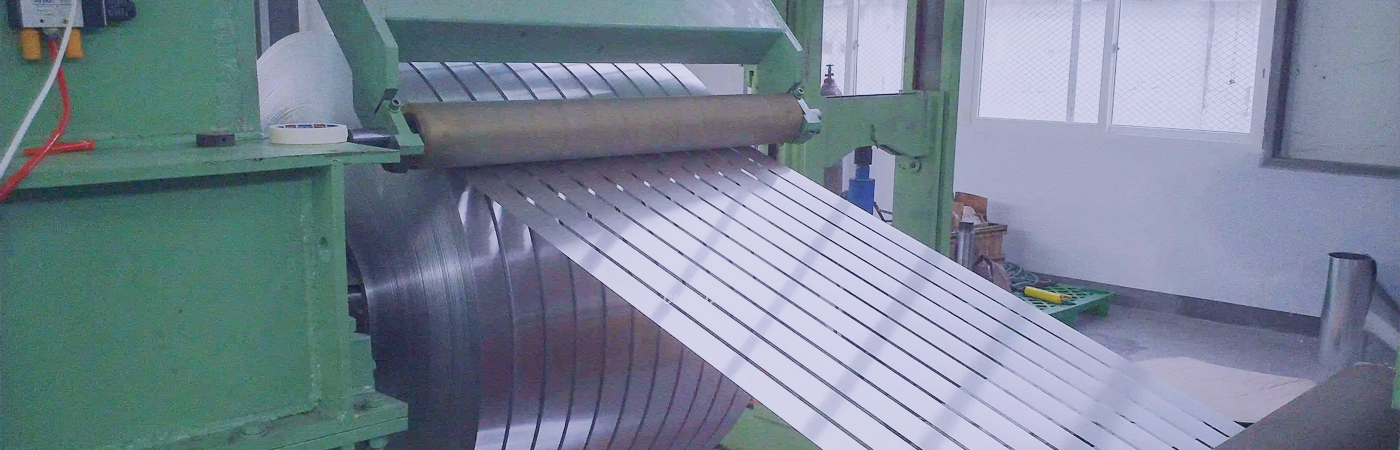
Aluminum fin stock is a thin-gauge aluminum sheet or coil used to manufacture heat-transfer fins. These fins are found in air conditioners, refrigerators, automotive radiators, condensers, evaporators, industrial chillers, heat pumps, and other heat-exchange equipment. Because fins must transfer heat efficiently while remaining lightweight, formable, corrosion-resistant, and economical, aluminum is the preferred material in most modern heat exchangers.
However, not all aluminum fin stock is the same. Different aluminum alloys are selected according to the required strength, corrosion resistance, brazing performance, formability, and end-use environment. The most common categories include the 1xxx, 3xxx, and 8xxx alloy series, as well as clad brazing materials based on Al-Si alloys.
1xxx Series: High-Purity Aluminum Fin Stock
The 1xxx series contains at least 99% aluminum. Common examples include AA 1050, AA 1060, AA 1070, and AA 1100. These alloys offer excellent thermal and electrical conductivity because they contain very little alloying material.
High-purity aluminum fin stock is soft, highly ductile, and easy to roll, stamp, corrugate, and form into complex fin geometries. It also has naturally good corrosion resistance in many normal operating environments.
The main limitation of 1xxx aluminum is its relatively low mechanical strength. Therefore, it is generally not the first choice for demanding automotive or high-pressure heat-exchanger systems. Instead, it is suitable where high thermal conductivity and easy forming are more important than strength.
Typical applications include:
Household refrigerator evaporators
Light-duty HVAC coils
Small heat sinks and electronics cooling components
Decorative or low-load heat-transfer products
Certain transformer and electrical cooling systems
AA 1100 is especially common in general-purpose heat-transfer applications because it combines good workability with stable corrosion resistance.
3xxx Series: The Most Common Fin Stock Alloys
The 3xxx series is the most widely used group for aluminum fin stock. These alloys contain manganese as the primary alloying element, which improves strength without significantly reducing formability or corrosion resistance. Common grades include AA 3003, AA 3004, AA 3005, and AA 3102.
AA 3003
3003 aluminum fin stock is one of the best-known aluminum fin stock alloys. It offers moderate strength, good corrosion resistance, excellent workability, and reliable performance in forming operations. Compared with pure aluminum, 3003 provides better durability while maintaining good thermal conductivity.
It is commonly used in:
Residential air-conditioner fins
Refrigeration evaporators
HVAC condenser coils
General industrial heat exchangers
Dehumidifiers and ventilation equipment
Because of its balance of performance and cost, AA 3003 remains a standard choice for many air-conditioning and refrigeration manufacturers.
AA 3102
AA 3102 is another highly important alloy for heat-exchanger fins. It is especially popular in automotive and commercial HVAC applications. It has slightly different manganese and impurity controls than 3003, allowing manufacturers to achieve consistent mechanical properties, brazeability, and forming behavior.
AA 3102 is often used for:
Automotive radiator fins
Automotive condenser and evaporator fins
Charge-air cooler components
Commercial refrigeration equipment
Brazed aluminum heat exchangers
In many automotive heat exchangers, 3102 is used as the core alloy in a clad sheet structure. The fin material may be combined with a brazing layer so that it can be joined efficiently during controlled-atmosphere brazing.
AA 3005 and AA 3004
AA 3005 and AA 3004 provide somewhat higher strength than AA 3003. They are useful when fins need greater resistance to deformation during manufacturing, assembly, transport, or operation.
These alloys may be selected for:
Heavy-duty HVAC systems
Industrial cooling coils
Fin stock requiring deeper drawing or more demanding forming
Equipment exposed to vibration or mechanical stress
Some commercial and transportation heat exchangers
Their higher strength can be beneficial, but alloy selection must still consider thermal performance and forming requirements.
8xxx Series: Specialized Fin and Foil Applications
The 8xxx series includes aluminum alloys that use elements such as iron and silicon. Grades such as AA 8011 and AA 8006 are commonly associated with aluminum foil and thin-gauge sheet products. In fin stock applications, these alloys can offer useful combinations of strength, flatness, and processing stability.
8011 aluminum fin stock is often used in thinner-gauge applications, particularly where large-volume coil production and precision rolling are required.
It is commonly used in:
Refrigerator and freezer components
Light-gauge HVAC fins
Foil-based heat-transfer products
Packaging-related thermal applications
Specialized industrial fin materials
Although 3xxx alloys are generally more common in mainstream HVAC and automotive fin stock, 8xxx alloys remain important for certain thin foil, formed-fin, and specialty applications.
Coated Aluminum Fin Stock
In addition to alloy selection, many fin stocks receive surface coatings. Hydrophilic coatings help water spread and drain quickly from air-conditioner fins, reducing water bridging and improving heat-exchange efficiency. Anti-corrosion coatings are used in humid, salty, industrial, or polluted environments.
Common coated fin applications include:
Residential and commercial air conditioners
Outdoor condenser units
Coastal HVAC installations
Refrigeration equipment
Heat pumps
Marine and industrial cooling systems
Choosing the Right Alloy
The best aluminum fin stock alloy depends on the product’s operating environment and manufacturing process. High-purity 1xxx alloys are ideal for excellent conductivity and easy forming. The 3xxx series, especially 3003 and 3102, provides the most versatile balance of strength, corrosion resistance, and manufacturability.
Ultimately, alloy selection should consider thermal conductivity, fin thickness, required strength, corrosion exposure, coating requirements, brazing method, and cost. With the right alloy and surface treatment, aluminum fin stock can deliver efficient, durable, and lightweight heat-transfer performance across a wide range of industries.
Original source: https://www.aluminumstrip24.com/news/what-are-alloys-of-aluminum-fin-stock.html
Tags: aluminum fin stock,
Previous: Buy Aluminium Strip
Next: