

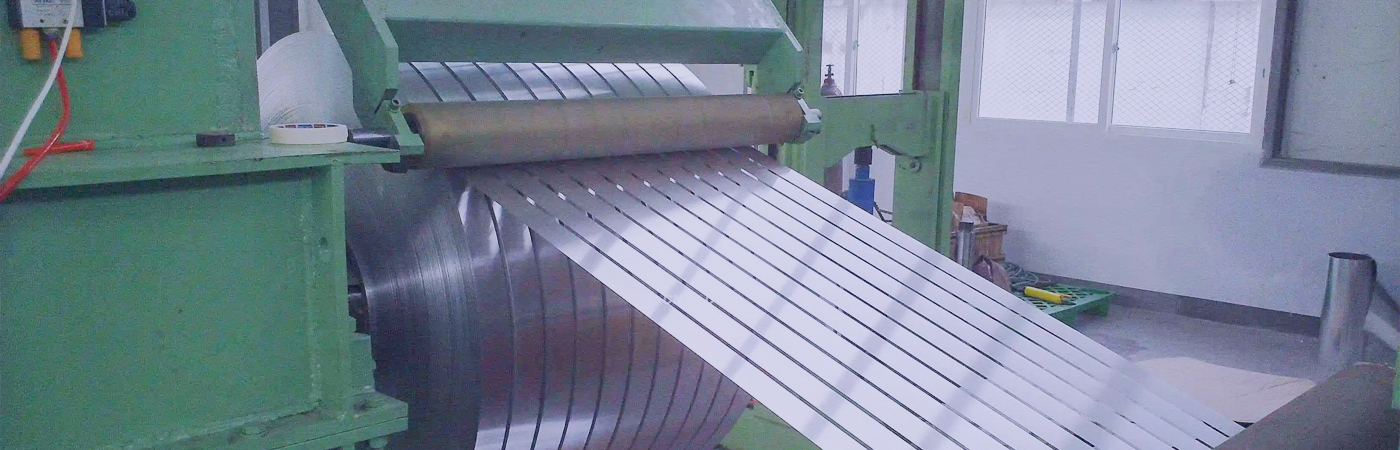
2 Inch Wide Aluminum Strips
The most common discussions on aluminum strips have focused on size tolerance, alloy choice, thickness, forming performance, and ordering details. If you are comparing options for fabrication, insulation, trim, signage, channels, or electrical applications, these are the questions worth understanding first.
1. What thickness is usually available for 2 inch wide aluminum strips?
This is one of the most searched questions because width alone does not define whether the material will bend easily, stay flat, or hold its shape. A 2 inch wide aluminum strip can be produced in a wide thickness range, often from thin gauge material used for wrapping or edge protection up to heavier gauges used for brackets, trim parts, and structural support.
For many common industrial orders, thickness may range from about 0.2 mm to 6.0 mm, but the practical range depends on alloy, temper, and production method. Thin material is easier to coil, stamp, and form. Thicker material is preferred when the strip must resist denting or remain rigid after installation.
Here is a quick reference table:
| Width | Common Thickness Range | Typical Uses |
|---|---|---|
| 2 inch | 0.2 mm to 0.5 mm | Wrapping, insulation, light trim |
| 2 inch | 0.6 mm to 1.5 mm | Sign backing, channels, general fabrication |
| 2 inch | 1.6 mm to 3.0 mm | Brackets, reinforcement, equipment parts |
| 2 inch | 3.1 mm to 6.0 mm | Heavy-duty fabricated parts |
If tight flatness or edge quality matters, ask not only for thickness but also for tolerance, burr level, and temper condition.
2. Which alloy is best for 2 inch wide aluminum strips?
The right alloy depends on what you want the strip to do. This question has become especially popular among first-time purchasers because many people assume all aluminum strips perform the same way. They do not.
For corrosion resistance and good workability, 1050, 1060, and 1100 are common choices. These are often selected for general forming, decorative trim, and electrical-related uses because they are softer and easier to process. If your project needs a balance of strength and corrosion resistance, 3003 and 5052 are often more suitable. If higher hardness or machining performance is important, 6061 or 6063 may be considered.
A simple selection guide is below:
| Alloy | Main Advantage | Typical 2 Inch Strip Use |
|---|---|---|
| 1050 / 1060 | High purity, easy forming | Insulation, decorative trim, light industrial use |
| 1100 | Good ductility | Nameplates, forming parts, general purpose |
| 3003 | Better strength than pure aluminum | Roofing accessories, cladding parts, channels |
| 5052 | Strong corrosion resistance | Marine-adjacent, humid, outdoor applications |
| 6061 / 6063 | Higher strength | Fabricated components, frames, support parts |
If you are comparing softer grades, products such as 1050 Aluminium Metal Strip are often considered for easy bending and surface finishing. For stronger corrosion-resistant use, many new buyers also compare options like 5052 Aluminum Strip when the strip will face moisture or outdoor conditions.
3. Can 2 inch wide aluminum strips be bent or formed without cracking?
Yes, but the answer depends on alloy, temper, thickness, and bend radius. This question appears frequently because users often buy by width first and only later realize that forming performance is controlled mostly by temper and alloy composition.
Soft tempers such as O, H14 in some applications, or other formable conditions are generally preferred when the strip needs to be bent, folded, rolled, or stamped. Harder tempers may crack if the inside bend radius is too tight. Thin 2 inch wide strips normally bend more easily than thick ones, but even thin material can fail if the temper is too hard.
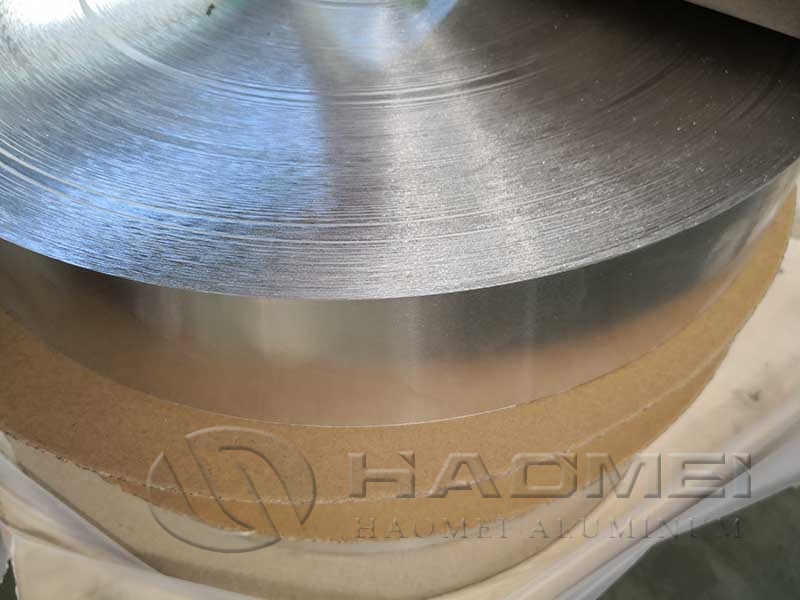
A practical rule is this: if you need sharp bending, choose a softer alloy and confirm the minimum bend radius before ordering. If appearance matters, ask for clean slit edges because rough edges can become crack starting points during forming.
4. How much do 2 inch wide aluminum strips cost?
This is one of the hottest commercial questions, and it rarely has a single answer. Price depends on alloy, thickness, temper, surface finish, quantity, packaging, and current aluminum market conditions. A 2 inch width may sound like a standard small size, but cost is still heavily influenced by how the strip is slit, whether custom tolerances are needed, and whether the order is from stock or made to specification.
In real purchasing discussions, these factors affect price the most:
| Price Factor | Impact on Cost |
|---|---|
| Alloy grade | Higher-performance alloys usually cost more |
| Thickness | More metal weight increases cost |
| Temper | Special tempers may require added processing |
| Surface finish | Coated, anodized, or polished surfaces raise cost |
| Tolerance | Tight tolerance often means higher processing cost |
| Order quantity | Larger volumes usually reduce unit cost |
| Packaging | Export packing or special protection adds cost |
If you want an accurate quote, provide full specifications: width, thickness, alloy, temper, edge condition, coil or straight length requirement, quantity, and application. Without these details, price comparisons can be misleading.
5. Should I order 2 inch wide aluminum strips in coil form or cut lengths?
This question has become more common as smaller manufacturers and workshop users try to reduce waste and labor time. The best choice depends on your processing equipment.
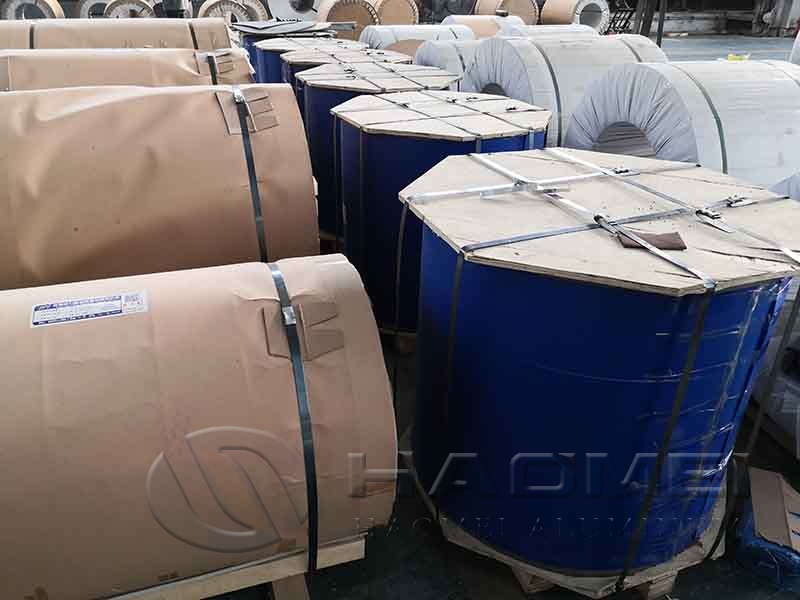
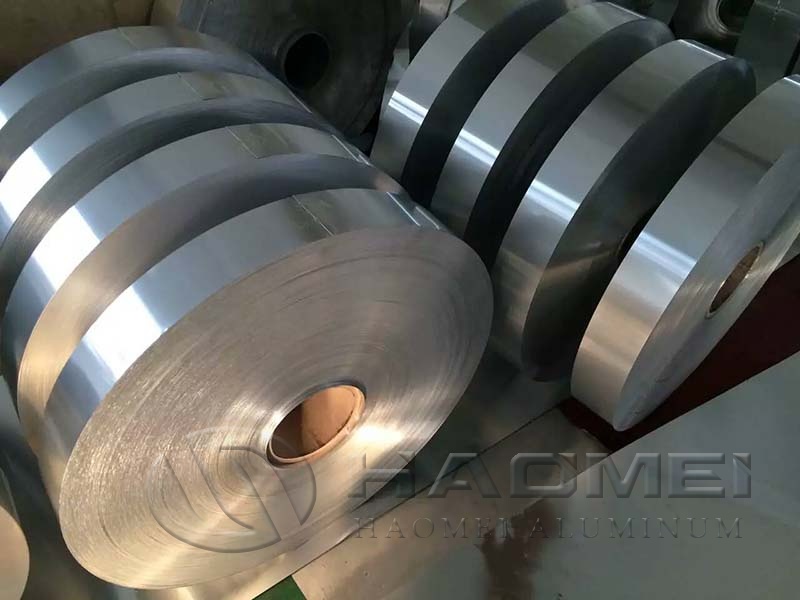
Coil form is usually better for continuous stamping, roll forming, automated feeding, and large-volume production. It saves joining time and often lowers processing cost per piece. Cut lengths are often easier for manual fabrication, repair work, prototype production, and shops without decoiling equipment.
When choosing between the two, think about these points:
Coil is better for speed and long production runs.
Cut lengths are better for easy handling and short jobs.
Thin strip in coil form must be packed well to avoid edge damage.
Straightness matters more when cut pieces will be used directly in visible parts.
If your application involves decorative installation or visible architectural use, surface quality and protective film may matter as much as alloy choice.
What should you confirm before ordering?
Many new purchasers ask this after receiving quotes that look similar but refer to different products. For 2 inch wide aluminum strips, always confirm the following items before placing an order:
| Item to Confirm | Why It Matters |
|---|---|
| Exact width | Slitting tolerance affects fit |
| Thickness | Controls strength, weight, and formability |
| Alloy | Determines corrosion resistance and mechanical properties |
| Temper | Affects bending, stamping, and hardness |
| Edge type | Important for safety and forming quality |
| Surface finish | Matters for appearance and coating performance |
| Coil ID or cut length | Needed for processing compatibility |
| Quantity | Influences cost and lead time |
| Packing method | Reduces transit damage |
A 2 inch wide strip sounds simple, but performance changes quickly once thickness, alloy, and temper change. For many new buyers, the smartest approach is to start with the application first, then match the strip specification to the job rather than choosing only by width.
Original source: https://www.aluminumstrip24.com/news/2-inch-wide-aluminum-strips.html
Tags: 2 inch wide aluminum strips, aluminum strip, aluminum flat strip, aluminum strip sizes, aluminum strip thickness,
Previous: Aluminum Strip for Power Cable
Next: Aluminium Fin Stock