

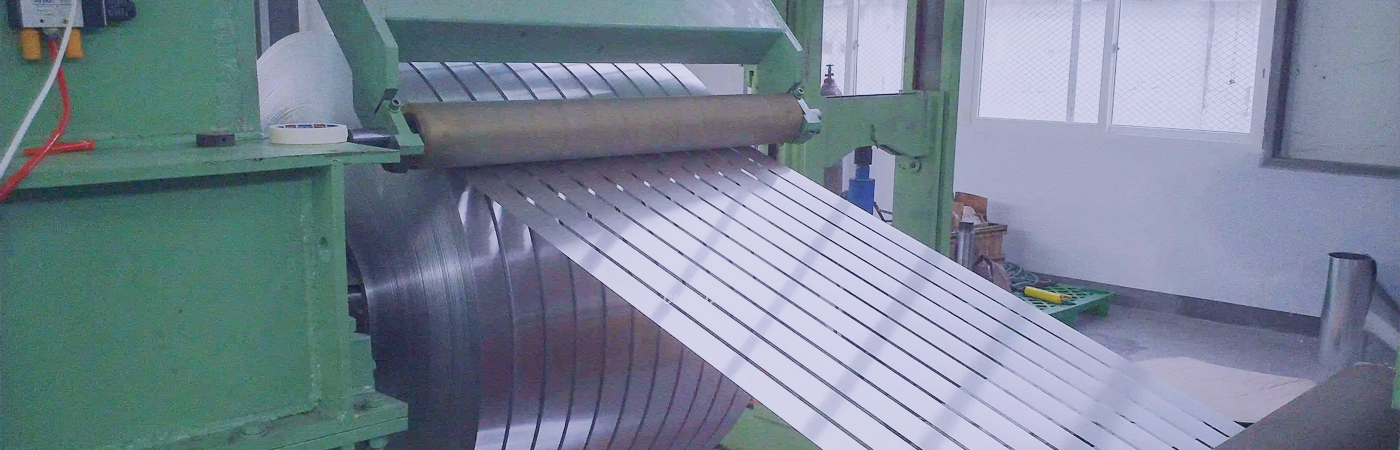
Aluminum Fin Stock
Aluminum fin stock is a thin, highly formable aluminum material used to create heat-transfer fins in air conditioners, condensers, evaporators, radiators, and industrial heat exchangers. In recent Q&A discussions, people sourcing HVAC materials are asking more detailed questions about alloy selection, hydrophilic coatings, thickness control, and corrosion performance rather than simply comparing prices.
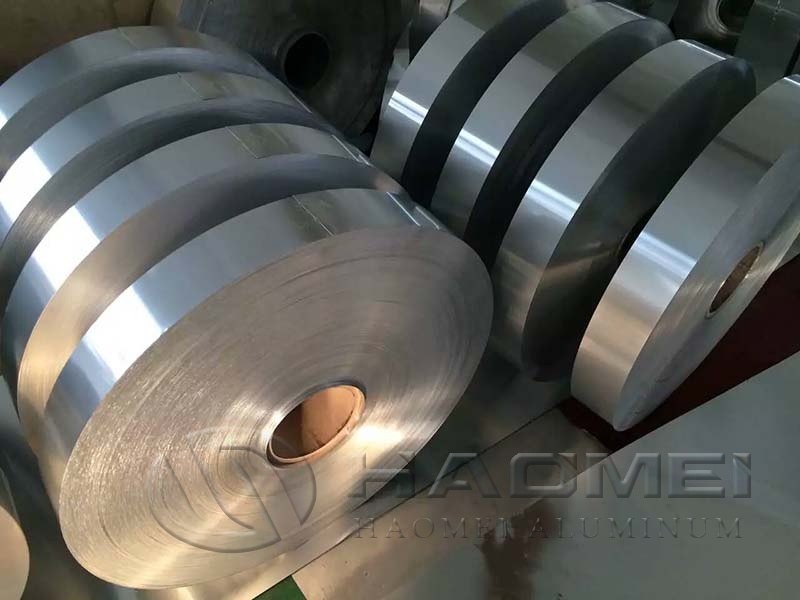
The following questions reflect recurring English-language queries appearing across search results, technical forums, and social Q&A discussions during the last three months. The answers focus on practical specification decisions for new HVAC and heat-exchanger projects.
1. What aluminum alloy is normally used for aluminum fin stock?
The most widely used options are 1100, 1050, 1060, and 1070 aluminum because these grades offer high aluminum content, good thermal conductivity, low weight, and excellent forming behavior. For conventional air-conditioning fins, 1100 and 1060 are common choices because they can be rolled to thin gauges and shaped into dense fin patterns without excessive cracking.
Higher-purity grades generally conduct heat well, but alloy selection should not rely on conductivity alone. The fin must also tolerate press forming, collar drawing, fin spacing requirements, and contact with moisture. A material that is too hard may split around drawn collars, while an overly soft material may deform during assembly.
| Application | Common Alloy Choice | Why It Is Used |
|---|---|---|
| Residential AC evaporator | 1100, 1060 | Good formability and thermal transfer |
| Condenser fin | 1050, 1100 | Reliable processing and corrosion performance |
| Automotive heat exchanger | 3003-based material | Better strength and durability in demanding service |
| General refrigeration unit | 1060, 1070 | High purity and stable thin-gauge processing |
For applications prioritizing purity and easy forming, 1000 Series Aluminum Strip materials are often considered first. The final specification should state the exact alloy, temper, thickness tolerance, and surface condition rather than requesting only a generic aluminum grade.
2. Is hydrophilic aluminum fin stock worth using in an air conditioner?
Hydrophilic aluminum fin stock has a surface treatment that encourages condensed water to spread into a thin film instead of forming droplets. This improves drainage across the fin pack, reduces the chance of water bridging between fins, and can help preserve airflow when the evaporator operates in humid conditions.
It is especially valuable for indoor evaporators, where condensation is constant during cooling cycles. Untreated material may allow droplets to cling to the surface. Over time, retained water can collect dust, encourage odor-related contamination, and restrict airflow through tightly spaced fins.
A hydrophilic treatment does not replace correct equipment design. Fin pitch, drainage angle, coating quality, and operating environment still matter. When requesting coated aluminum fin stock, ask for coating type, coating weight, wettability performance, curing method, and resistance to alkali cleaners. A coating that looks uniform before forming may lose performance if it cracks around collars after stamping.
3. What thickness should aluminum fin stock be for HVAC heat exchangers?
Typical fin thickness often falls between 0.08 mm and 0.20 mm, although the right value depends on the product design. Thin material reduces weight and can improve material efficiency, but it requires accurate rolling tolerance and careful handling. A slightly thicker fin may offer more stiffness and better resistance to damage during manufacturing, shipping, and maintenance.
| Fin Stock Requirement | Practical Consideration |
|---|---|
| 0.08 mm to 0.10 mm | Lightweight designs with careful processing control |
| 0.11 mm to 0.14 mm | Common range for many HVAC fin applications |
| 0.15 mm to 0.20 mm | Greater rigidity and handling resistance |
| Narrow tolerance | Important for consistent fin pressing and heat-exchanger assembly |
The nominal gauge is only part of the requirement. Thickness variation across the width can affect fin height, collar shape, and tool wear. For this reason, sourcing teams should ask for thickness tolerance, width tolerance, edge condition, burr limits, and flatness expectations. A low-cost material with inconsistent gauge can increase stamping scrap and offset the initial savings.
4. Which temper is best for aluminum fin stock, O or H22?
O temper is fully annealed and is generally selected when maximum formability is needed. It works well for complex fin profiles and deep collar drawing because the material is soft and less likely to crack during pressing. However, O temper can be more vulnerable to dents and shape distortion if handling controls are weak.
H22 temper has a partially hardened condition. It provides more stiffness than O temper while retaining useful formability. This can suit fin designs that need better handling strength or less springback, provided the stamping geometry is not too severe.
The choice should be verified with a production trial. A material that performs well in a simple fin press may behave differently when collar height, louver geometry, and press speed change. For high-purity material options, 1060 Aluminum Strip for Sale can be specified in appropriate tempers according to the forming process.
5. How can aluminum fin stock resist corrosion in coastal or industrial areas?
Bare aluminum naturally forms a thin oxide layer, but aggressive environments can still cause corrosion, especially where salt, industrial pollutants, standing water, and dissimilar-metal contact are present. Coastal equipment usually needs a more deliberate corrosion-control plan than indoor equipment.
Protective treatments may include hydrophilic coatings, epoxy-based coatings, conversion coatings, or specialized anti-corrosion finishes. The best approach depends on whether the unit is exposed to marine air, chemical vapors, repeated cleaning, or high humidity. Coating adhesion is critical because a coating that peels after fin forming can create weak points for corrosion.
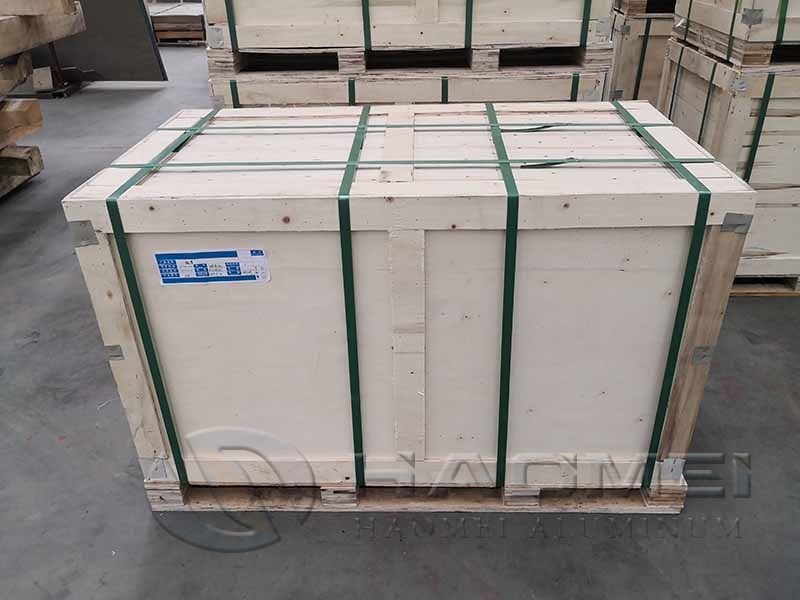
When comparing corrosion-resistant options, request evidence from recognized salt-spray or cyclic-corrosion testing, but interpret test hours carefully. A laboratory test result should be matched to the actual installation environment, cleaning chemicals, contact materials, and expected service life. Material packaging also matters: dry, protected packaging helps prevent staining and moisture exposure before fin production begins.
Original source: https://www.aluminumstrip24.com/news/aluminum-fin-stock.html
Tags: aluminum fin stock, hydrophilic aluminum fin stock, HVAC fin material, aluminum fin alloy,
Previous: Color Aluminum Strip
Next: