

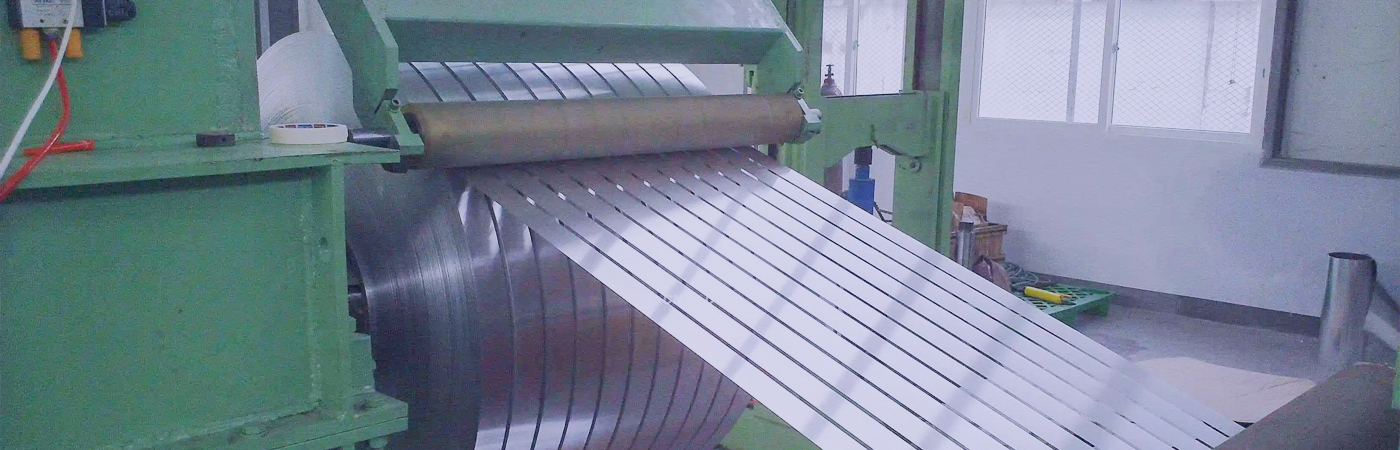
Aluminum Strip Alloy Selection Comparison: 1000 series / 3003 / 5052 / 3105
Aluminum strips are foundational materials in modern manufacturing, widely applied in architectural decoration, HVAC systems, electronic accessories, marine equipment, and packaging industries. Different aluminum alloy series feature distinct mechanical properties, corrosion resistance, formability, and cost levels, which directly determine their applicability in diverse working scenarios. How to choose the right alloy for your project?
1. Basic Alloy Composition & Core Positioning
The four alloys belong to different aluminum alloy systems, with unique component formulas and market positioning, laying the fundamental difference in their performance:
- 1000 Series (1050/1060/1100): Pure aluminum series like 1060 aluminum strip is with aluminum purity above 99.6%. No special alloying elements are added, featuring ultra-high purity, excellent ductility and electrical conductivity, and positioned as a low-cost, general-purpose basic material.
- 3003 Alloy: Typical aluminum-manganese anti-rust aluminum, with 1.0%–1.5% manganese as the main alloying element. Manganese improves the strength and anti-rust performance of pure aluminum without sacrificing too much formability, serving as a versatile medium-low strength alloy.
- 3105 Alloy: Optimized upgraded version of 3003 alloy (Al-Mn-Mg series). A small amount of magnesium is added on the basis of manganese, further improving structural strength and paint adhesion, specially designed for pre-painted aluminum strips and building decorative materials.
- 5052 Alloy: Classic aluminum-magnesium alloy with magnesium as the main strengthening element. It boasts the highest strength, fatigue resistance, and marine corrosion resistance among the four materials, belonging to high-performance structural aluminum strips.
2. Key Performance Parameter Comparison
Performance is the core basis for material selection. We compare the four alloys from five key dimensions: mechanical strength, formability, corrosion resistance, electrical conductivity, and weldability.
2.1 Mechanical Strength
The strength ranking of the four aluminum strips is stable: 5052 > 3105 > 3003 > 1000 series.
The 1000 series has the lowest tensile strength (60–140MPa) and cannot bear heavy structural loads.
3003 is about 20% stronger than pure aluminum with medium-low strength.
3105 achieves a moderate strength upgrade on the basis of 3003, meeting higher structural stability requirements.
5052 features medium-high strength (170–350MPa) and excellent fatigue resistance, suitable for long-term load-bearing structural parts.
2.2 Formability & Processing Performance
Formability determines the difficulty of bending, stamping, and deep drawing processing. The ductility ranking is: 1000 series > 3003 > 3105 > 5052.
1000 series pure aluminum has ultra-high ductility, no cracking during extreme bending and deep drawing, and minimal springback, suitable for complex shaped parts.
3003 retains excellent formability while strengthening, with balanced processing performance. It is a popular choice as the aluminium ceiling strip.
3105 has slightly higher hardness and slight springback, but still supports conventional stamping and bending.
5052 has the poorest formability among the four, requiring larger bending radii in processing and being unsuitable for ultra-complex deep drawing parts.
2.3 Corrosion Resistance
Corrosion resistance is crucial for outdoor, humid, and marine working environments, with the ranking: 5052 > 3105 ≈ 3003 > 1000 series.
1000 series has good atmospheric corrosion resistance but poor tolerance to salt spray and chemical corrosion.
3003 aluminum-manganese alloy has excellent anti-rust performance, with corrosion resistance about 30% higher than pure aluminum, stable in conventional atmospheric and humid environments.
3105 inherits the anti-rust advantages of 3003 and has better weather resistance after painting.
5052 aluminum-magnesium alloy has superior marine-grade corrosion resistance, outstanding resistance to salt spray, seawater, and high-humidity corrosion, and is the only choice for coastal and marine equipment scenarios.
2.4 Electrical & Thermal Conductivity
Conductivity is a key indicator for electrical and heat dissipation components. The conductivity ranking is: 1000 series > 3003 > 3105 > 5052.
1000 series has a conductivity of ≥61% IACS, which is the best among the four, making it the preferred material for bus bars and conductive parts. 3003 has a conductivity of 40%–50% IACS, suitable for general heat dissipation components. 3105 and 5052 have low conductivity (30%–35% IACS), so they are rarely used for conductive parts.
2.5 Weldability & Surface Adaptability
All four alloys have good weldability without welding cracking problems. In terms of surface treatment adaptability: 3105 has the best paint adhesion and color uniformity, specially optimized for pre-painted aluminum strips; 3003 and 5052 have stable anodizing and spraying effects; 1000 series has a smooth surface and is suitable for polishing and simple decorative coating.
3. Typical Application Scenarios Matching
Combined with performance characteristics, each alloy has its most suitable high-frequency application scenarios, realizing precise matching of performance and demand:
3.1 1000 Series (1050/1060/1100)
Core advantages: Low cost, ultra-high formability, excellent conductivity
Typical uses: Low-load decorative parts, packaging materials, chemical equipment liners, bus bars, transformer conductive strips, indoor simple stamping parts. It is the first choice for cost-sensitive scenarios with no high strength requirements.
3.2 3003 Aluminum Strip
Core advantages: Balanced strength and formability, excellent anti-rust performance, cost-effective
Typical uses: HVAC heat dissipation fins, air conditioner/refrigerator accessories, kitchen utensils, indoor and outdoor building gaskets, roof and gutter panels, general anti-rust stamping parts. It is the most versatile universal aluminum strip in the 3000 series.
3.3 3105 Aluminum Strip
Core advantages: Higher strength than 3003, superior paint adhesion and weather resistance
Typical uses: Pre-painted aluminum coils, building exterior wall panels, shutters, window blinds, signage, mobile home decorative panels, lighting fixture housings. It is a special material for high weather resistance decorative coating scenarios.
3.4 5052 Aluminum Strip
Core advantages: High strength, fatigue resistance, marine-grade corrosion resistance
Typical uses: Marine equipment accessories, automotive fuel tanks and body panels, coastal building structural parts, pressure-resistant shell parts, electronic equipment enclosures, trailer structural components. It is the preferred material for high-strength and harsh environment scenarios.
Original source: https://www.aluminumstrip24.com/news/aluminum-strip-alloy-selection-comparison-1000-series-3003-5052-3105.html
Tags: aluminum strip ceiling,
Previous: Aluminium Strip for Transformer
Next: Thin Aluminium Strips