

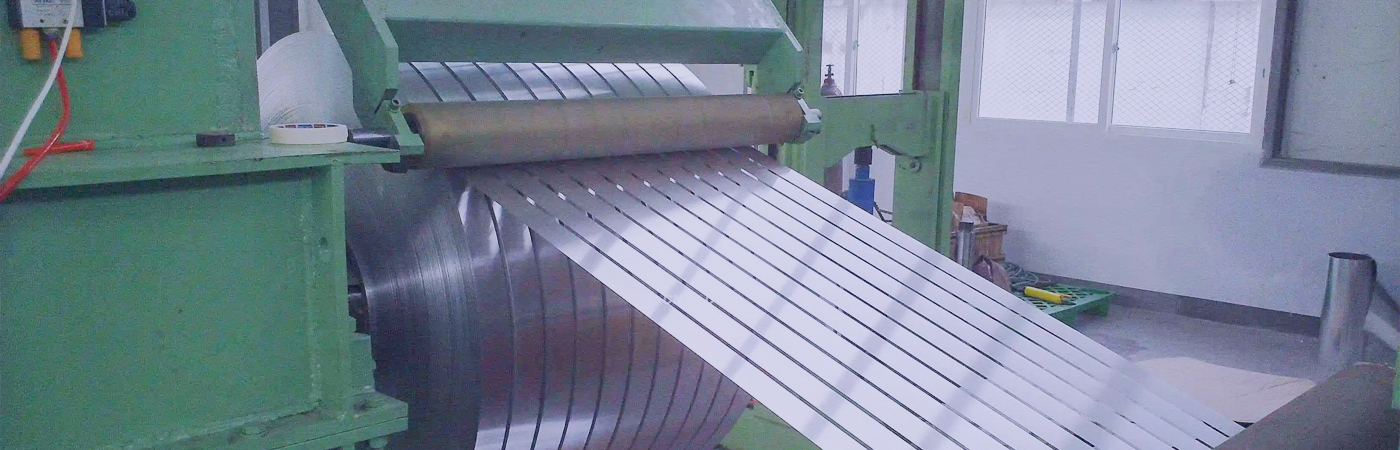
Thin Aluminium Strips
Year-end production is often constrained by shorter working weeks, carrier cut-offs, and customer demand for finished goods before Christmas and New Year closures. For fabricators using narrow-gauge metal, the most practical holiday solution is not simply holding more inventory. It is receiving thin aluminium strips in the correct slit width, temper, and coil condition so lines can continue without unplanned setup changes.
The primary concern for this period is width consistency. A strip that varies across coils can affect roll forming, stamping, fin production, edging, and automated feeding. It may create repeat adjustment work when skilled operators and support staff are less available during the holiday schedule.
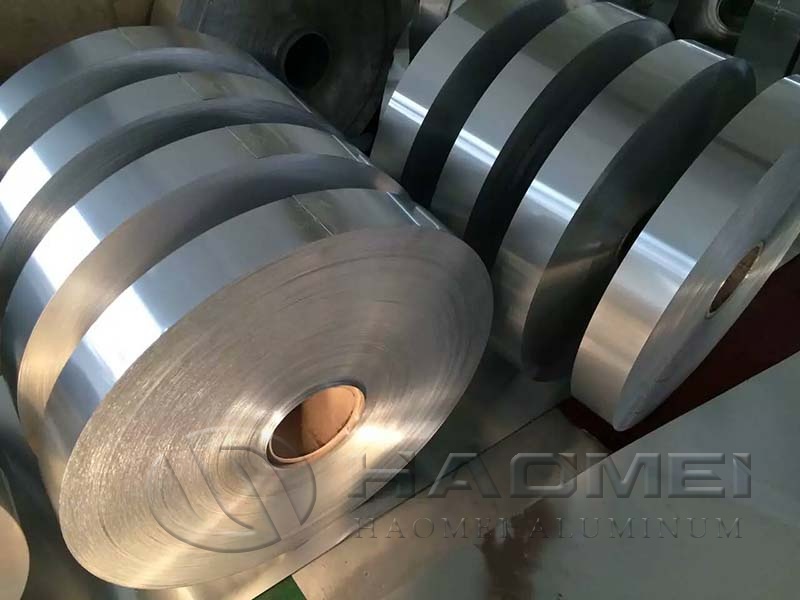
Make Width Control Part of the Holiday Production Plan
Width is a finished-product requirement, not a detail to confirm after material arrives. Provide the required width, permitted tolerance, edge condition, and coil direction in the purchase specification. State whether the process uses a progressive die, roll former, press brake, or decoiler, because each operation responds differently to edge burr and camber.
For aluminium sheet and strip ordered to U.S. practice, ASTM B209/B209M is the commonly referenced specification for aluminium and aluminium-alloy sheet and plate. European supply specifications may instead use the EN 485 series, including EN 485-4 for tolerances on cold-rolled sheet, strip, and plate. These standards contain alloy- and dimension-specific requirements; they do not replace an agreed purchase tolerance for a particular slit width.
Use this release checklist before placing holiday-period orders:
| Item to specify | Why it prevents disruption | What to state on the order |
|---|---|---|
| Slit width and tolerance | Limits feeder and tooling adjustments | Nominal width in mm or inches, plus/minus tolerance |
| Thickness and tolerance | Supports formed height, stiffness, and die clearance | Nominal gauge, accepted standard, and critical limit |
| Alloy and temper | Controls formability, strength, and conductivity | AA designation and temper, such as 1050-H14 |
| Edge condition | Reduces burr-related handling and forming issues | Slit edge requirement and allowable burr if applicable |
| Coil ID, OD, and maximum weight | Confirms compatibility with the decoiler | Accepted ID, maximum OD, and handling limit |
| Packaging | Protects narrow coils in seasonal transit queues | Eye-to-wall or eye-to-sky orientation, moisture barrier, skid needs |
| Inspection documents | Speeds receiving approval | Certificate of analysis, dimensions, coil identification, quantity |
A good request separates mandatory limits from preferences. For example, a 20 mm strip for a high-speed stamping feeder may require a tight agreed width range and low burr. A manually fitted trim strip may prioritize appearance and finish consistency instead. Treating both as generic narrow strip can produce avoidable inspection holds.
Match the Strip Grade to the Forming Risk
Thin gauge does not identify an alloy. Selecting by price alone can cause cracking during bends, springback beyond a fixture limit, or insufficient strength after forming. The table below compares common decision paths. Mechanical properties vary with temper and product thickness, so confirm values on the mill certificate and against the applicable standard.
| Production need | Typical material direction | Practical consideration |
|---|---|---|
| High electrical or thermal conductivity, simple forming | 1xxx series commercially pure aluminium | Common choice where conductivity and corrosion resistance matter; strength is relatively low compared with heat-treatable alloys. |
| General forming with improved strength | 3xxx series aluminium-manganese alloys | Often considered for formed components; temper must suit the bend radius and drawing severity. |
| Better corrosion resistance and moderate strength | 5xxx series aluminium-magnesium alloys | Evaluate temper carefully where repeated bending or long-term exposure is involved. |
| Higher structural strength | 6xxx series aluminium-magnesium-silicon alloys | Frequently needs more attention to bend radius, temper, and downstream heat treatment. |
For low-strength, highly formable applications, 1050 Aluminium Metal Strip can be evaluated where the required properties match the grade and temper. Where a production drawing specifically calls for a 3xxx material and narrow gauge, 3004 Thin Aluminum Strip provides a relevant material route to review.
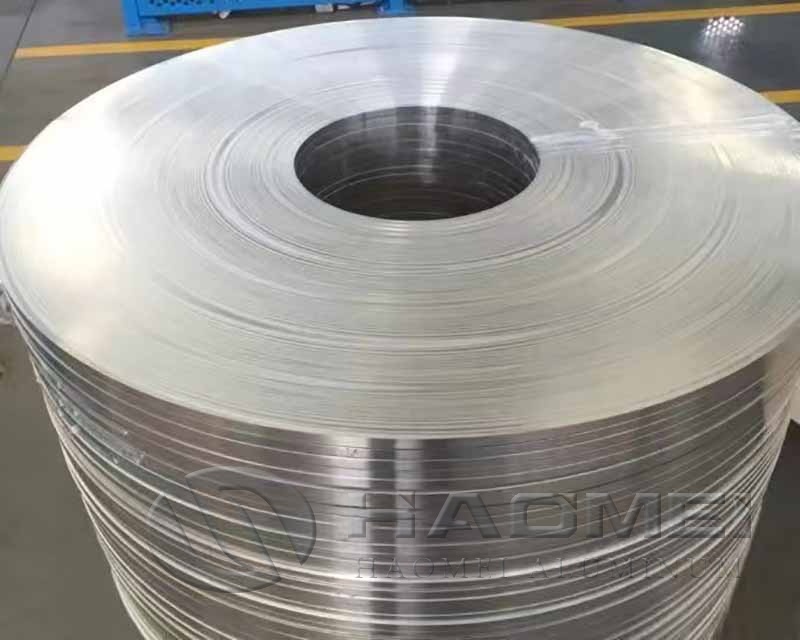
Do not substitute alloy designations based only on appearance. The Aluminum Association alloy designation system identifies composition families, while temper designations identify the processing condition. Request the exact designation shown on the drawing, and ask for documentation that identifies alloy, temper, dimensions, and coil or batch traceability.
Use a Dated Release Schedule, Not a Seasonal Assumption
Christmas and New Year public holidays differ by country, and mills, slitters, ports, and inland carriers may operate reduced schedules before and after them. Build the order plan backward from the first required production date rather than from the desired arrival week.
Follow these steps:
- Freeze dimensions and alloy selections before issuing a request for quotation. Changes after slitting can create remnant coils that do not fit the original production plan.
- Confirm whether material is supplied as mill-edge coil for later processing or precision-slit coil ready for the line. Ready-slit stock can reduce internal conversion work, but only when coil geometry matches the equipment.
- Ask for a written production, packing, and dispatch date. Separate these dates from estimated transit time.
- Reserve time for incoming inspection. Measure width at several locations across each coil and inspect edges, surface condition, packaging integrity, and label traceability before releasing material to the line.
- Keep a defined contingency quantity for the highest-consumption width, not an unfocused mix of widths. This protects the operation that cannot accept substitution.
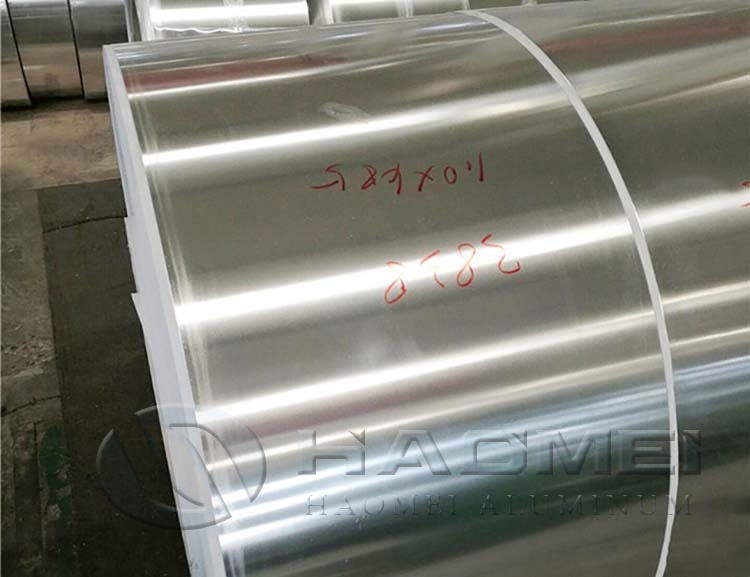
For a holiday-ready offer comparison, request the same data from each supplier: alloy and temper, thickness and width tolerance, coil dimensions, net weight, inspection documents, packing method, production date, dispatch point, and quote validity. Comparable specifications make it easier to identify whether a lower unit price excludes a requirement that could stop production.
Before release, verify this final checklist: drawing revision confirmed; slit width tolerance agreed; alloy and temper documented; coil ID and maximum weight accepted by operations; packaging suitable for the route; receiving inspection scheduled; and dispatch timing confirmed against the year-end closure calendar.
Original source: https://www.aluminumstrip24.com/news/thin-aluminium-strips-2026-08-24.html
Tags: thin aluminium strips, aluminium strip coil,
Previous: Aluminum Strip Alloy Selection Comparison: 1000 series / 3003 / 5052 / 3105
Next: Aluminum Strips for Sale