

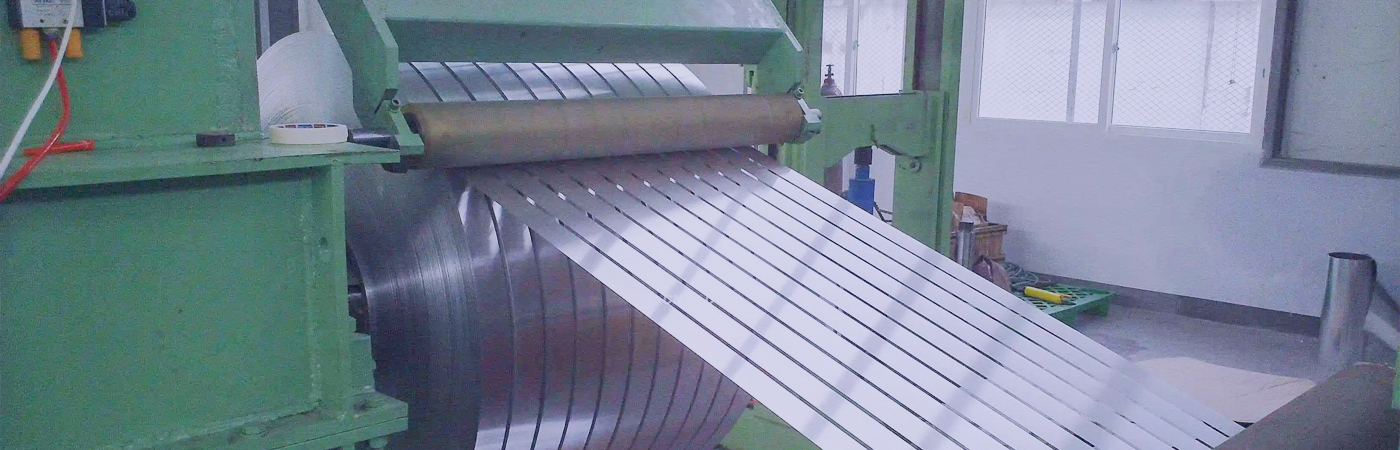
Bendable Aluminum Strips
In recent three-month discussions, people often ask the same thing in different words: how can aluminum be easy to bend but still strong enough for real use? Bendable aluminum strips are used for LED channels, trim, transformer winding, nameplates, craft frames, HVAC edges, decorative ceilings, and light structural parts. The answer depends less on the word bendable and more on alloy, temper, thickness, bending radius, and surface finish.
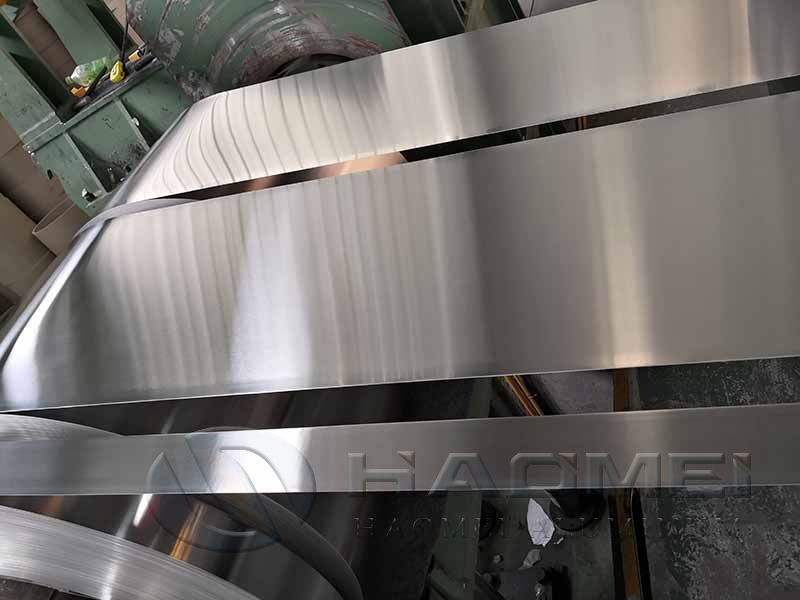
1. What aluminum strip is easiest to bend without cracking?
The easiest materials to bend are usually high-purity and softer-tempers aluminum. For simple hand forming, small-radius bending, and decorative trim, 1050, 1060, 1070, and 1100 are common choices because they have excellent ductility. When a little more strength is needed, 3003 is often selected because it bends well while offering better mechanical performance than pure aluminum grades.
Temper matters as much as alloy. O temper is the softest and easiest to form. H12 and H14 offer a balance between formability and stiffness. H18 is much harder and may crack if forced around a tight corner.
| Common choice | Bendability | Typical reason to choose it |
|---|---|---|
| 1050 O | Excellent | Decorative trims, soft forming, electrical uses |
| 1060 O/H12 | Excellent to very good | Conductive parts, reflectors, general forming |
| 1100 O/H14 | Very good | Light fabrication, tags, edging |
| 3003 O/H14 | Good | Better strength with reliable bending |
| 5052 O/H32 | Medium to good | Corrosion resistance, marine or outdoor parts |
For projects where easy forming is the first concern, 1050 Aluminium Metal Strip is often considered when the design needs soft bending, clean edges, and good surface quality.
2. Can I bend aluminum strips by hand, or do I need a bending brake?
Yes, thin aluminum strips can often be bent by hand, especially in soft temper. However, hand bending is suitable only when the bend does not require exact angles, repeated accuracy, or a crisp corner. If the part must match a drawing, a small press brake, folding machine, roller, or forming jig gives better repeatability.
A useful rule is simple: the thicker and harder the aluminum, the larger the inside bend radius should be. Bending a hard strip around a sharp 90-degree corner is the fastest way to create surface cracks.
| Thickness range | Practical bending method | Notes |
|---|---|---|
| 0.2 mm to 0.5 mm | Hand forming, roller, jig | Best for craft, shielding, soft trim |
| 0.6 mm to 1.0 mm | Hand tools or small brake | Good for edging and light panels |
| 1.2 mm to 2.0 mm | Brake, roller, press tooling | Control radius and grain direction |
| Above 2.0 mm | Press brake or forming die | Test samples before mass production |
If you are making repeated parts, do not judge by one hand-bent sample alone. Ask for the alloy, temper, and tolerance, then test the tightest bend in the design. A strip that bends nicely at 30 degrees may still fail at 90 degrees if the radius is too small.
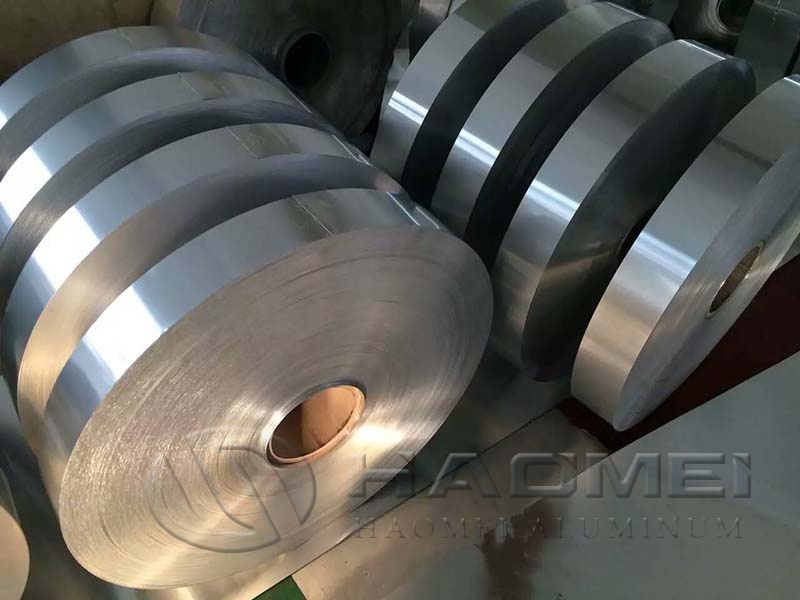
3. What thickness should I choose for bendable aluminum strips?
The right thickness depends on whether the part is mainly decorative, protective, conductive, or structural. Very thin material bends easily but dents more easily. Thicker material looks more solid and resists deformation, but it needs better tools and a wider bend radius.
For LED channel covers, nameplates, small trims, and craft frames, 0.3 mm to 0.8 mm is common. For edge protection, appliance trim, ceiling decoration, and light brackets, 0.8 mm to 1.5 mm is more practical. For parts that carry load or need stronger shape retention, 1.5 mm to 3.0 mm may be used, but the word bendable should then be treated carefully.
| Application | Common thickness | Suggested alloy and temper idea |
|---|---|---|
| Craft strips and soft trim | 0.2 mm to 0.6 mm | 1050 O, 1060 O, 1100 O |
| LED channel edging | 0.5 mm to 1.0 mm | 1060 H12, 3003 O/H14 |
| Decorative ceiling strip | 0.6 mm to 1.2 mm | 1100 H14, 3003 H14 |
| Appliance or furniture trim | 0.8 mm to 1.5 mm | 3003 H14, 5052 O |
| Light brackets | 1.5 mm to 3.0 mm | 3003, 5052, or 6061 with larger radius |
For applications that need a range of gauges, Different Thickness 3003 Aluminum Strip can be a practical option because 3003 offers a helpful mix of formability, moderate strength, and stable processing.
4. Will anodized, painted, or black aluminum strips crack when bent?
They can crack if the coating is too hard, too thick, or bent around a very tight radius. Bare aluminum is more forgiving because the metal surface stretches directly. A coated surface adds another layer that must stretch with the base metal. If the coating has limited elongation, small lines or whitening may appear on the outside of the bend.
For anodized strips, bending after anodizing is usually more risky than bending before anodizing. The anodized layer is hard and may craze under stretching. For painted or color-coated material, the paint system, curing condition, and bend radius all matter. A high-quality coating can handle gentle forming, but it is not magic.
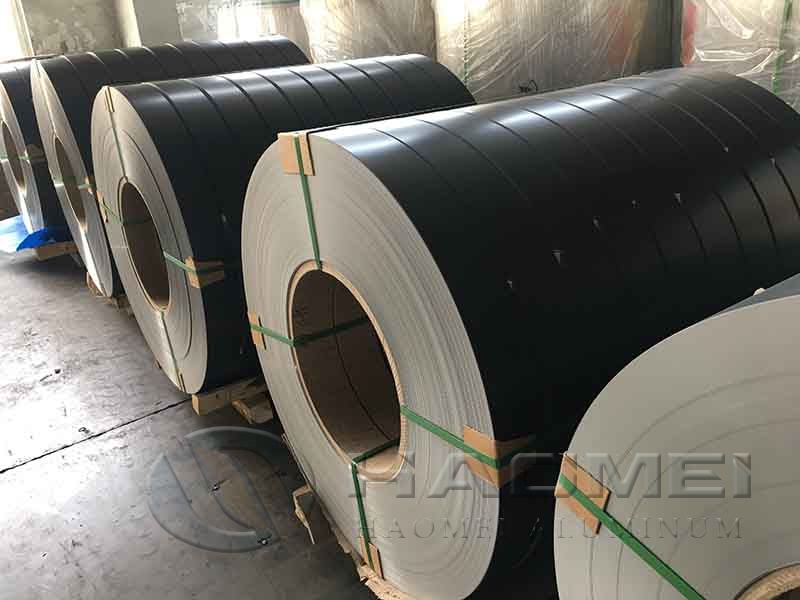
When appearance is important, ask for a T-bend or bend test on the exact coating. Also confirm which side is exposed after bending. If the decorative surface is on the outside of the bend, it experiences more stretching and needs a larger radius. If it is on the inside, compression marks may appear instead.
5. How should I specify bendable aluminum strips before placing an order?
A clear specification prevents wrong material, wrong hardness, and poor bending performance. Instead of asking only for bendable aluminum strips, define the working conditions and the bend shape.
| Specification item | What to state | Why it matters |
|---|---|---|
| Alloy | 1050, 1060, 1100, 3003, 5052, etc. | Controls ductility, strength, corrosion behavior |
| Temper | O, H12, H14, H16, H18 | Controls softness and cracking risk |
| Thickness and width | Exact dimensions plus tolerance | Affects forming force and final fit |
| Bend requirement | Angle, inside radius, bend direction | Helps evaluate crack risk |
| Surface | Mill finish, brushed, anodized, coated, black | Affects appearance after forming |
| Edge condition | Slit edge, deburred edge, rounded edge | Important for safety and assembly |
| Packing | ID, OD, weight, moisture protection | Reduces transport damage and deformation |
For a new design, send a drawing or a simple sketch with the inside bend radius marked. If there is no drawing, share the intended use, target thickness, finish, and whether the part will be bent by hand, roller, or press brake. For tight bends, request a small trial batch before approving full production.
A practical purchase specification may read like this: 3003 O aluminum strip, 1.0 mm thick, 25 mm wide, mill finish, deburred edge, suitable for 90-degree bending with 2 mm inside radius, no visible cracking after bending. This wording is much more useful than asking for a flexible strip, because it describes the real forming result you need.
Original source: https://www.aluminumstrip24.com/news/bendable-aluminum-strips.html
Tags: bendable aluminum strips, flexible aluminum strip, aluminum strip bending, aluminum strip alloy, aluminum strip temper,
Previous: Why Are The Fins Made Of Aluminum Strip
Next: Black Aluminum Strips