

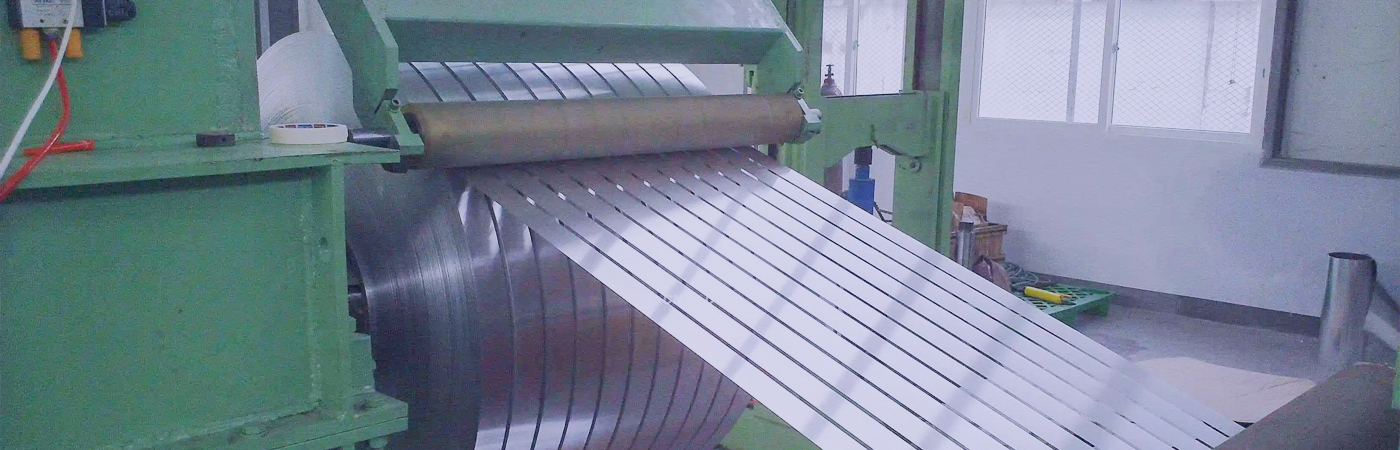
Flexible Aluminium Strips
Flexible aluminium strips are specified when a component must be bent, wrapped, stamped, rolled, or formed without surface splitting. The primary technical concern is not simply thickness. It is the interaction of alloy, temper, bend direction, edge condition, and tooling radius.
For applications such as cable armoring, transformer winding, channel trims, ceiling systems, appliance parts, and deep-drawn components, an unsuitable temper can produce edge cracking even when the incoming material appears flat and clean. Preventing forming cracks should therefore be written into the purchasing specification and incoming inspection plan.
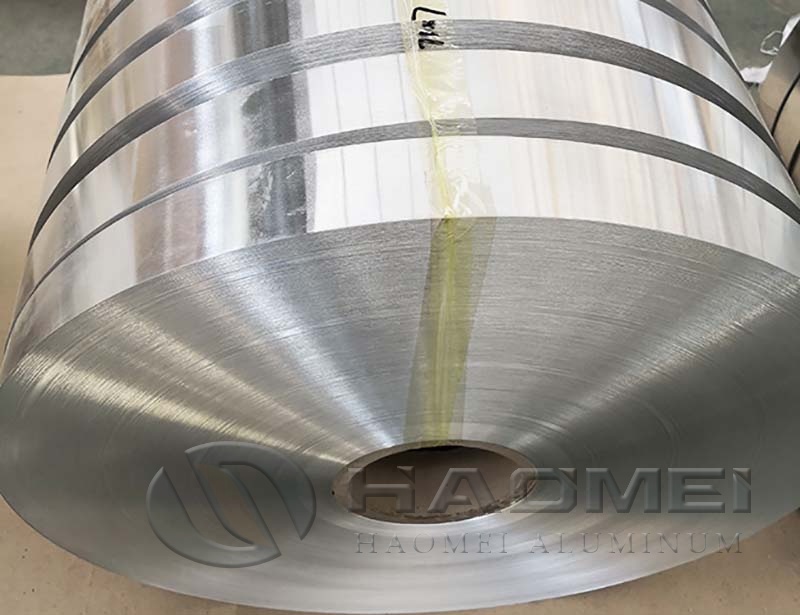
Select Alloy and Temper for the Required Bend
Aluminium flexibility is commonly assessed through bend performance, elongation, and work-hardening behavior. Annealed tempers, especially O temper, generally offer the highest formability because they have lower strength and greater ductility than strain-hardened tempers such as H14 or H24.
The relevant material standard should be stated on the order. For wrought aluminium products, EN 573-3 identifies chemical composition, EN 485 covers mechanical properties for sheet and strip products, and ASTM B209 covers aluminium and aluminium-alloy sheet and plate. These standards define composition and mechanical-property frameworks, but they do not replace application-specific bend trials.
| Material option | Typical flexibility | Suitable uses | Forming consideration |
|---|---|---|---|
| 1050 / 1060 O temper | Very high | Electrical parts, reflectors, decorative forming | Low strength; protect against dents during handling |
| 1070 O temper | Very high | Conductive formed components, light-duty profiles | Confirm conductivity requirement separately |
| 1100 O temper | High | Deep drawing, chemical equipment trims | Good workability; verify surface finish need |
| 3003 O temper | High | Cookware, architectural trim, general forming | Higher strength than 1xxx series; bend radius may need adjustment |
| 5052 O temper | Moderate to high | Corrosion-resistant formed parts | Stronger alloy; test tighter bends before production |
For highly ductile, commercially pure material, 1050 Aluminium Metal Strip is frequently evaluated where tight forming and a clean surface are more important than structural strength. Where conductivity is particularly relevant, 1070 Aluminum Flat Strip can be assessed against the required electrical and mechanical criteria.
Do not select an alloy by elongation alone. Elongation values vary with thickness, temper, test direction, and the applicable standard. Request the mill test certificate for each production batch and compare the reported tensile strength, yield strength, elongation, chemistry, dimensions, and temper with the purchase specification.
Control Bend Radius, Direction, and Edge Quality
A strip can fail in forming even when alloy and temper are correct. The most common failure point is the outer bend surface, especially near a slit edge. Slitting can introduce burrs, edge rollover, and small work-hardened zones that act as crack initiation points.
Use this pre-production checklist before releasing a formed part:
- Define the minimum inside bend radius in the drawing, rather than describing the part as simply flexible.
- State whether bending occurs transverse or longitudinal to the rolling direction.
- Provide the bend angle, tooling type, forming speed, and lubrication condition.
- Specify allowable burr height and edge condition after slitting.
- Perform bend samples using production tooling and the intended lot of material.
- Inspect both the outer bend surface and slit edges under adequate lighting or magnification.
Bending transverse to the rolling direction is often preferred for demanding bends because the elongated grain structure from rolling can affect cracking behavior. However, performance depends on alloy, temper, thickness, die design, and surface condition. A qualified forming trial is the only reliable way to approve a tight-radius application.
| Observed issue | Likely cause | Corrective action |
|---|---|---|
| Fine cracks on outer bend | Temper too hard or radius too small | Change to O temper, increase inside radius, test again |
| Cracks beginning at both edges | Burrs or damaged slit edges | Specify deburred edges and inspect slitting quality |
| Uneven bend line | Width variation or tool misalignment | Tighten dimensional tolerance and align tooling |
| Surface scratches after forming | Poor packaging, handling, or die contamination | Add protective interleaving and clean contact surfaces |
| Springback beyond tolerance | Alloy strength too high for tool geometry | Adjust overbend angle or assess a softer temper |
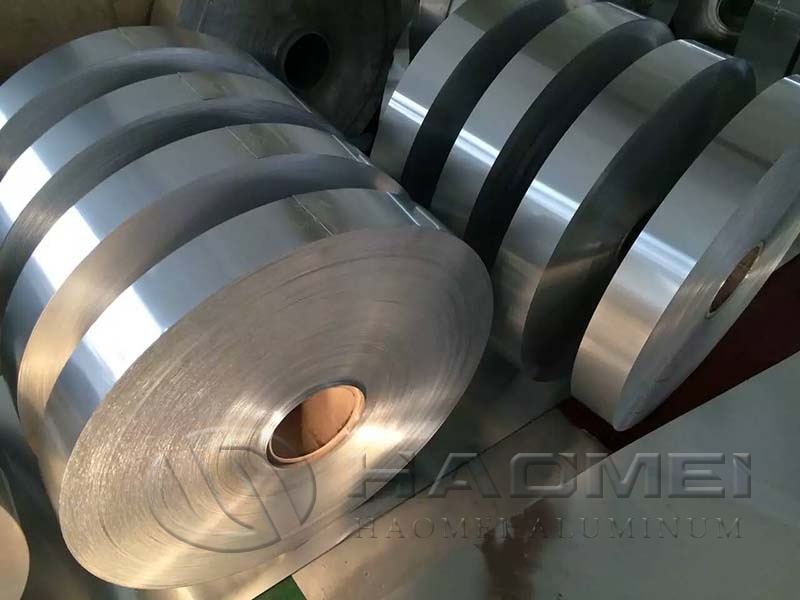
The width tolerance should match the forming process. Narrow material used in progressive dies may require tighter width control than material used for manually formed trims. Specify thickness, width, edge type, camber, coil inner diameter, maximum coil mass, and surface-protection method where relevant.
Write a Testable Purchase Specification
A usable specification converts "flexible" into measurable acceptance conditions. It also reduces disagreement between the processing plant, fabricator, and inspection team.
Include the following items:
- Alloy and temper, such as 1050-O, 1060-O, 1100-O, 3003-O, or 5052-O.
- Product standard: ASTM B209, EN 485, or another contractually agreed standard.
- Thickness and width tolerances, plus length or coil parameters.
- Edge requirement: mill edge, slit edge, deburred slit edge, or rounded edge.
- Surface requirement: mill finish, coated finish, protective film, or scratch limits.
- Mechanical-property certificate and chemical-composition certificate.
- Bend-test method, including sample orientation, mandrel diameter, bend angle, and acceptance criteria.
- Packaging requirements to prevent moisture staining, telescoping, edge damage, and transit abrasion.
For a documented bend trial, identify the test condition clearly. For example: "Bend a specimen through 180 degrees over a specified mandrel, with no visible cracking on the outer surface under agreed inspection conditions." The mandrel diameter must be selected for the actual part geometry; a generic pass/fail statement without a radius cannot control forming risk.
Pricing should also be separated into transparent components: the published aluminium reference price, alloying or conversion charge, dimensional tolerances, finishing, packaging, certification, and freight. For indexed contracts, the London Metal Exchange publishes official and settlement data for aluminium contracts. Confirm the reference date, currency, premium basis, and quotation validity period before comparing offers.
A complete request should therefore include drawings, a formed sample where available, annual consumption forecast, delivery format, certification needs, and the required bend-test result. This creates a technically comparable quotation and makes crack prevention part of the material requirement rather than a problem discovered on the production line.
Original source: https://www.aluminumstrip24.com/news/flexible-aluminium-strips.html
Tags: flexible aluminium strips, bendable aluminum strip,
Previous: Aluminum Coil for Channel Letter
Next: