

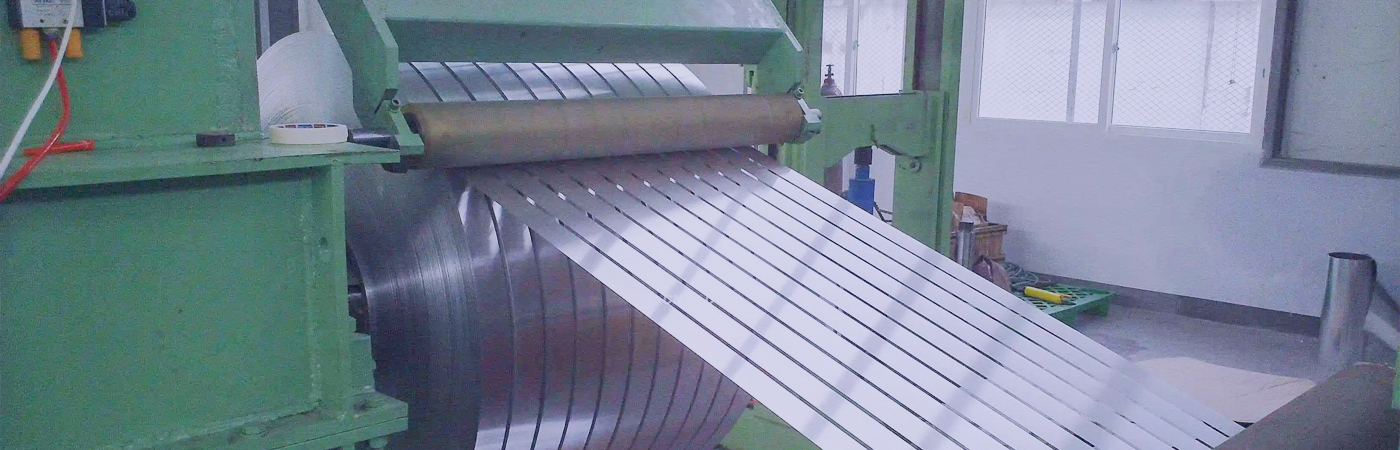
Aluminium Strip Ceiling
Architects and contractors specify linear metal ceilings when they need clean lines, consistent quality, and long service life in high traffic interiors. An aluminium strip ceiling meets these goals while keeping installation efficient and maintenance simple. For bulk procurement, the most important step is aligning strip geometry, alloy temper, coating, and tolerance with the suspension system and the project environment.
What it is and where it performs best
A linear strip ceiling is made from narrow formed aluminum profiles installed in parallel, typically on carrier rails. Depending on the design, strips can be closed (tight joints), open (reveal gaps), or perforated for acoustic performance. Common applications include transport hubs, malls, airports, hospitals, schools, offices, and corridors where durability, washability, and a uniform appearance matter.
Why aluminum is widely selected for this ceiling style:
Corrosion resistance in most indoor environments and many semi exposed areas.
Low weight, reducing load on the grid and simplifying handling at height.
Stable surface finishing options, including coil coating and powder coating.
High recyclability, which helps on projects with sustainability targets.
Product configuration options that affect price and performance
Bulk orders often fail not on visual appearance, but on fit, consistency, and long term surface behavior. The variables below should be confirmed early, including how the strips interface with carriers and edge trims.
1) Profile type and moduleStrip ceilings come in many geometries, such as C shaped, U shaped, G shaped, baffle style, or box profiles. The visible face width, the side height, and the return edge design influence stiffness and the shadow line. For open systems, the gap size and the black acoustic fleece choice also affect the final look.
2) Substrate alloy and temperFor ceiling strips, buyers typically select general purpose alloys known for formability and surface quality. The exact choice depends on forming depth, coating line requirements, and mechanical stiffness targets. Specify the alloy and temper together, not separately, to avoid substitution.
3) Thickness and flatnessThickness impacts rigidity and perceived straightness across long runs. Thin material may oil can after roll forming or during temperature changes, especially on wide faces. For long corridors and areas with strong linear lighting, tighter flatness control is worth the added cost.
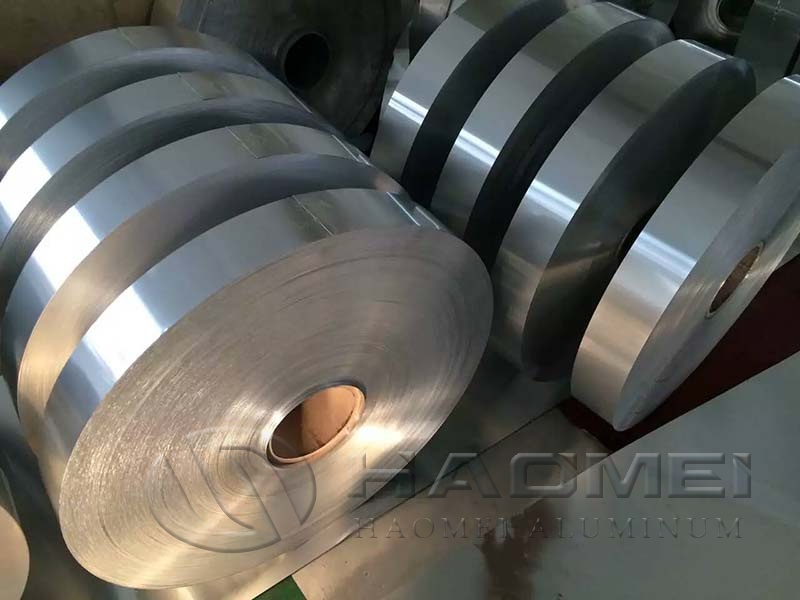
4) Surface finish and coating systemMost ceiling strips use one of the following finishes:
Coil coated polyester for standard interiors.
High durability coatings for higher UV or semi exterior exposure.
Powder coating for specific colors, textures, or site requirements.
Anodized finishes when a metallic look and abrasion resistance are priorities.
When comparing quotes, confirm coating type, dry film thickness range, gloss level, color standard, and whether the reverse side needs coating.
5) Perforation and acoustic backingPerforated strips can reduce reverberation when paired with nonwoven fleece or mineral wool above the ceiling plane. If acoustics matter, specify perforation pattern, open area ratio, backing material, and fire performance requirements according to the project specification.
Typical specification ranges for linear ceiling strips
| Item | Common Range | Notes for bulk orders |
|---|---|---|
| Face width | 30 mm to 200 mm | Wider faces need stronger thickness control to avoid waviness |
| Thickness | 0.5 mm to 1.2 mm | Depends on profile depth, span, and visual flatness requirement |
| Strip length | 1.2 m to 6.0 m | Longer lengths reduce joints but increase transport and handling risk |
| Coating gloss | 10 to 80 GU | Low gloss hides minor surface marks better |
| Color | RAL or custom | Approve a master sample and retain it for batch comparison |
| Perforation | Optional | Confirm edge distances to prevent tearing during forming |
Ordering checklist for consistent batches and smooth installation
Large projects require repeatability across multiple production lots. The following details reduce mismatches between strips, carriers, and trims.
Define the ceiling system interface: Provide a drawing that shows profile cross section, carrier type, clip method, and allowable tolerances on hook geometry. A strip that is visually correct can still fail to lock into the rail if the return edge radius is off.
Confirm tolerance priorities: For linear ceilings, width consistency and straightness are often more critical than absolute thickness variation. Ask the supplier to state achievable tolerances for width, length, camber, and squareness.
Batch color control: For coated finishes, require same coil lot for visible areas when possible. If multiple coil lots are unavoidable, request delta E control targets and sample approval for each batch.
Protective film and packing: Ceiling strips are vulnerable to edge dents and face scratches. Specify interleaving, corner protectors, pallet type, and maximum bundle weight for safe handling on site.
Compliance and documentation: For commercial buildings, projects often request reaction to fire classification, VOC or indoor air requirements for coatings, and traceability documentation. Align these with local regulations and the project spec.
Recommended procurement table for project planning
| Project Type | Recommended Finish | Notes |
|---|---|---|
| Office, retail | Coil coated, matte or satin | Good cost balance and uniform appearance under lighting |
| Transit, public corridors | High durability coating | Higher scratch resistance and easier cleaning |
| Healthcare, clean spaces | Smooth coating, controlled gloss | Prioritize cleanability, chemical resistance, and consistent color |
| Feature ceilings | Anodized or custom powder | Supports premium metallic looks and special textures |
If your scope includes raw feedstock for roll forming or punching, you may also source through aluminum coil supply with coating, or through aluminium strips for sale with tighter width tolerances for ceiling forming lines.
A well specified aluminium strip ceiling system is not only about appearance. It is a manufactured interface between formed metal, coating chemistry, and suspension hardware. When geometry, finish, and packaging are aligned with the installation method, large volume orders deliver faster site progress, fewer rejects, and a more uniform visual result across the entire ceiling field.
Original source: https://www.aluminumstrip24.com/news/aluminium-strip-ceiling.html
Tags: aluminium strip ceiling, aluminum baffle ceiling,
Previous: Aluminum Strip For Transformer
Next: Aluminum Strip For Transformer Winding