

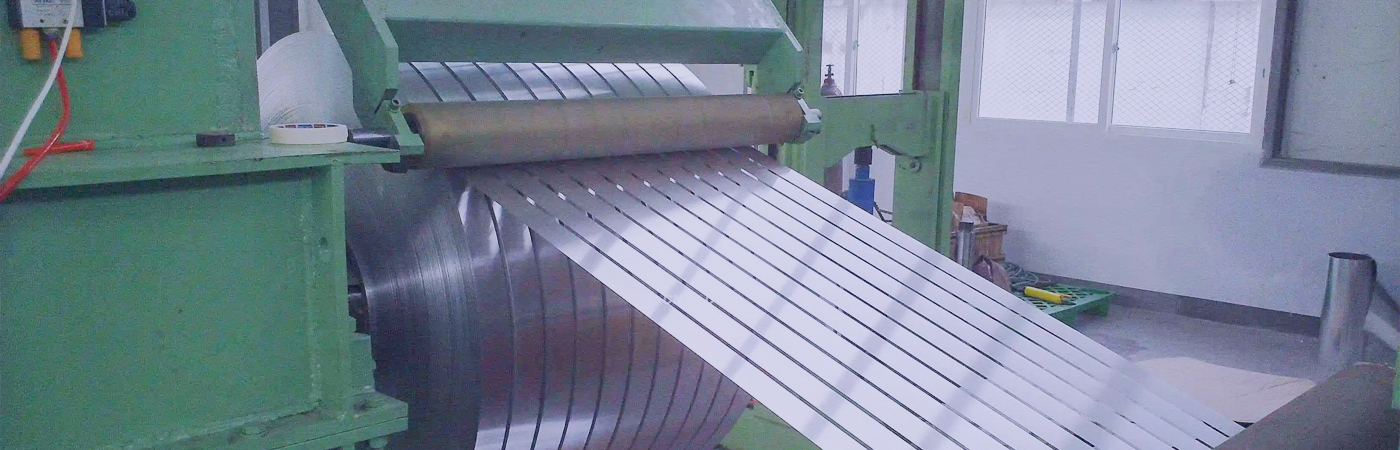
Aluminum Ceiling Strips
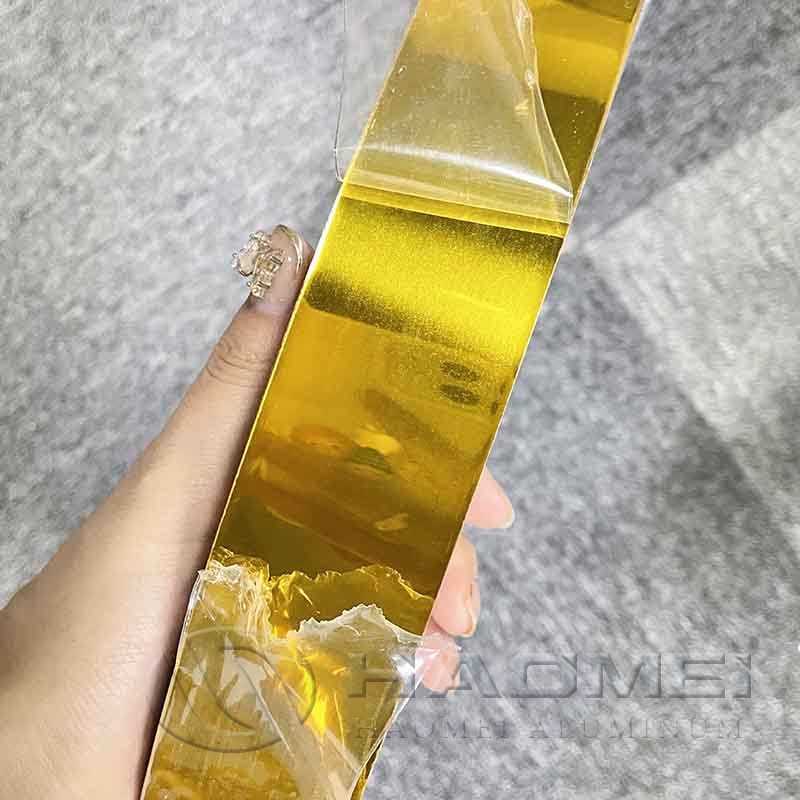
Aluminum ceiling strips are appearing more often in recent English Q&A discussions because architects, contractors, and project purchasers want a ceiling that looks clean, resists moisture, and allows easy access to lighting or ventilation systems. Compared with gypsum board or timber slats, aluminum strip ceilings are lighter, straighter, and easier to finish in metallic, matte, wood-grain, or color-coated designs.
The following five questions reflect recurring topics seen online. The answers are written from a material selection and procurement viewpoint, with practical details for people comparing aluminum ceiling materials for retail stores, offices, bathrooms, kitchens, corridors, airports, and commercial interiors.
| Common Question | Short Answer | Material Concern |
|---|---|---|
| Are aluminum ceiling strips good for humid areas? | Yes, with the right alloy and coating. | Corrosion resistance |
| What thickness should be used? | Usually 0.5 mm to 1.2 mm, depending on span and profile. | Rigidity and flatness |
| Which alloy is suitable? | 1000, 3000, and 5000 series are common. | Forming, strength, moisture resistance |
| Do they reduce noise? | Not by themselves, unless perforated with acoustic backing. | Sound absorption |
| Are they easy to install and maintain? | Yes, if the carrier system and spacing are correct. | Installation accuracy |
1. Are aluminum ceiling strips better than PVC or gypsum ceilings?
For many commercial and semi-commercial projects, aluminum ceiling strips offer a stronger balance of appearance, service life, and maintenance than PVC or gypsum. PVC is economical and moisture resistant, but it can deform under heat and may not deliver the crisp linear look required in premium interiors. Gypsum board gives a smooth surface, yet it is heavier, less convenient for future access, and more vulnerable to water damage.
Aluminum ceiling strips are especially useful where the ceiling needs repeated access. For example, shopping malls, metro stations, hotel corridors, and office lobbies often need maintenance above the ceiling for cable trays, air conditioning ducts, sprinklers, and lighting. A linear aluminum strip ceiling can be removed in sections without damaging the full surface.
The main reason people choose aluminum is dimensional stability. Properly produced strips maintain straight edges, consistent coating, and uniform width. If a project requires a simple white ceiling, gypsum may still be adequate. If it needs long-term moisture resistance, fast cleaning, modular access, and a modern linear design, aluminum becomes more attractive.
2. What thickness is best for aluminum ceiling strips?
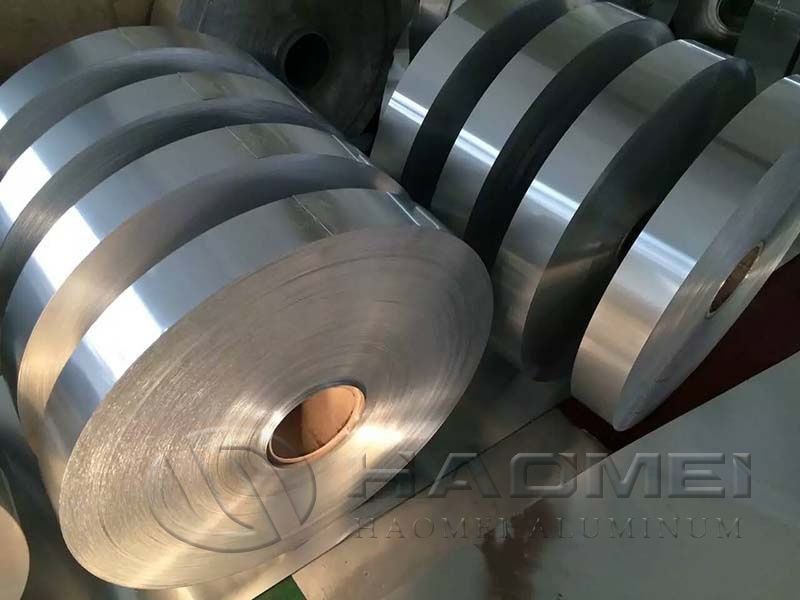
There is no single best thickness because the right choice depends on strip width, profile shape, carrier spacing, ceiling height, and wind pressure if used in semi-open areas. For decorative indoor ceilings, many projects use around 0.5 mm to 0.8 mm. For wider panels, public buildings, or areas where higher rigidity is required, 0.8 mm to 1.2 mm is often preferred.
| Ceiling Use | Common Thickness Range | Notes |
|---|---|---|
| Small indoor decorative strips | 0.5 mm to 0.7 mm | Suitable for narrow profiles and low impact areas. |
| Office or retail linear ceilings | 0.7 mm to 1.0 mm | Good balance of flatness and cost control. |
| Airport, station, or large public space | 0.9 mm to 1.2 mm | Better rigidity for long spans and frequent service access. |
| Humid or semi-open ceiling zones | 0.8 mm to 1.2 mm | Coating quality and alloy selection matter strongly. |
A common mistake is choosing thickness only by price. A strip that is too thin may look acceptable during delivery but can show waviness after installation. Profile design also matters. A narrow U-shaped or C-shaped strip can feel firm at a lower gauge, while a wide flat strip needs more thickness or edge folding to avoid oil-canning.
When discussing specifications with a supplier, include the visible width, profile height, length tolerance, coating type, and installation spacing. These details affect performance as much as thickness does.
3. Which aluminum alloy is suitable for ceiling strips?
For ceiling applications, the alloy should be easy to form, stable after coating, and resistant to the surrounding environment. Pure aluminum grades such as 1050, 1060, and 1100 are often used when excellent formability and clean surface treatment are required. They are suitable for many interior linear ceiling profiles where strength demands are moderate.
For projects requiring better strength than pure aluminum, 3003 and 3005 are common choices. These manganese-containing grades offer improved mechanical strength while still forming well. In humid or coastal environments, 5052 can be considered because of its stronger corrosion resistance, although it is not always necessary for standard indoor ceilings.
For simple linear ceiling profiles with high forming demand, 1050 Aluminium Metal Strip is often considered because it bends and rolls well. Where slightly higher strength and better shape retention are desired, Different Thickness 3003 Aluminum Strip can be a practical option.
| Alloy Type | Typical Advantage | Suitable Ceiling Scenario |
|---|---|---|
| 1050 / 1060 / 1100 | Excellent formability and bright surface potential | Indoor decorative strips, roll-formed profiles |
| 3003 / 3005 | Better strength and stable forming | Commercial ceilings, wider panels |
| 5052 | Higher corrosion resistance | Coastal, humid, or semi-exposed zones |
The finish is just as important as the alloy. Polyester powder coating is common for indoor ceilings. PVDF coating is better for color retention and weather resistance, especially near entrances, canopies, or semi-outdoor areas. Anodized finishes can provide a metallic surface, but color selection and batch consistency should be confirmed before production.
4. Can aluminum ceiling strips help with acoustics?
Standard solid aluminum strips reflect sound rather than absorb it. If someone asks whether aluminum strips reduce echo in a restaurant, office, school corridor, or transport station, the answer is: only when the ceiling system is designed for acoustics.
Acoustic aluminum strip ceilings usually use perforated strips with a sound-absorbing layer above them, such as black acoustic fleece, mineral wool, or glass wool. The perforation pattern, open area ratio, ceiling cavity depth, and backing material all affect sound performance. A decorative strip alone should not be sold as a sound control product unless the full system has acoustic data.

For projects where noise control matters, ask for perforation diameter, perforation spacing, open area percentage, and test references for the complete ceiling assembly. In offices and public corridors, acoustic comfort can be improved while still keeping the clean linear appearance of aluminum.
5. What should be checked before ordering aluminum ceiling strips?
Before placing an order, the most important checks are dimension, surface, alloy, coating, packing, and installation compatibility. Many ceiling problems are not caused by aluminum quality alone, but by mismatched profiles and suspension systems.
| Check Item | What to Confirm | Why It Matters |
|---|---|---|
| Profile drawing | Width, height, edge shape, tolerance | Ensures the strip fits the carrier. |
| Alloy and temper | Grade, hardness, forming ability | Prevents cracking or poor shape retention. |
| Coating | Powder, PVDF, anodized, wood-grain | Affects color, durability, and cleaning. |
| Color control | RAL code or approved sample | Reduces batch-to-batch variation. |
| Length | Cut length and tolerance | Impacts joint alignment and installation speed. |
| Packaging | Film, carton, pallet, moisture protection | Protects visible surfaces during transport. |
Installation planning also deserves attention. Carrier spacing is often around 800 mm to 1200 mm, but it should follow the profile supplier's recommendation. Hangers must be aligned carefully, because small errors become visible across long linear ceilings. In large halls, expansion allowance should be considered so strips do not buckle after temperature changes.
For kitchens, bathrooms, and swimming pool support areas, ask about coating resistance to moisture, detergent, and chloride exposure. For commercial interiors, request a small sample or mock-up before mass production. A sample helps confirm color, gloss, edge straightness, and how the strip looks under actual lighting.
Aluminum ceiling strips can deliver a clean architectural ceiling when the material, profile, coating, and suspension system are selected together. The safest specification is not always the thickest or most expensive option; it is the one matched to the room environment, ceiling span, access needs, and expected visual standard.
Original source: https://www.aluminumstrip24.com/news/aluminum-ceiling-strips.html
Tags: Aluminum Ceiling Strips, Aluminum Strip Ceiling, Ceiling Aluminum Material,
Previous: Aluminium Strip Roll
Next: Aluminum Nose Bridge Strip