

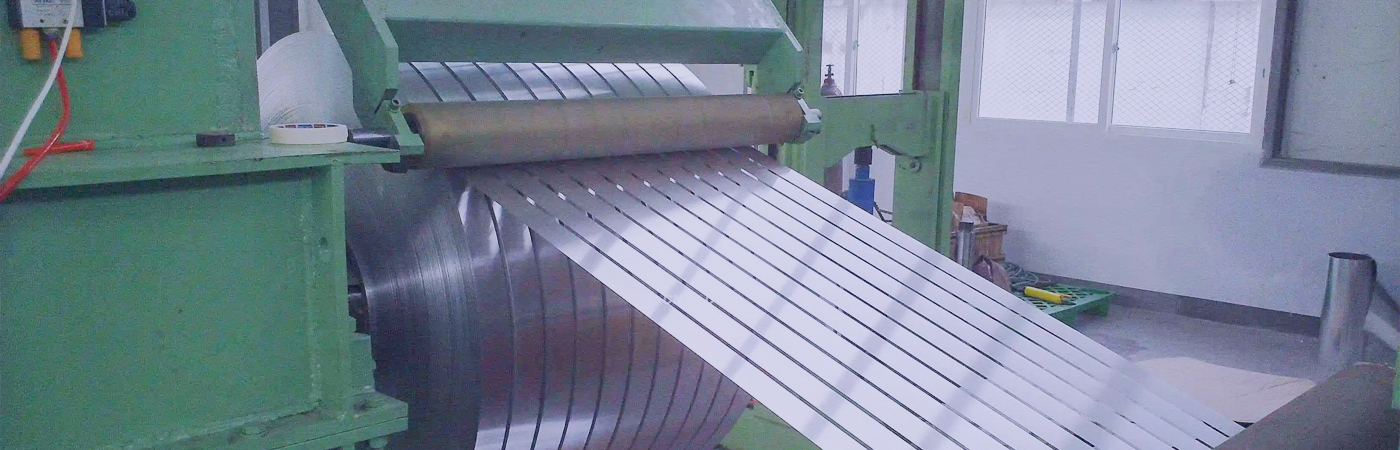
Aluminium Flat Strip
Industrial teams often use aluminium flat strip when they need a consistent rectangular cross section, predictable mechanical properties, and efficient processing for stamping, bending, roll forming, or conductive parts. Confusion usually comes from three areas: what counts as a flat strip versus other rolled formats, which alloy and temper actually fit the application, and which tolerances and surface requirements must be stated to avoid quality disputes.
1) What it is, and what specifications matter most
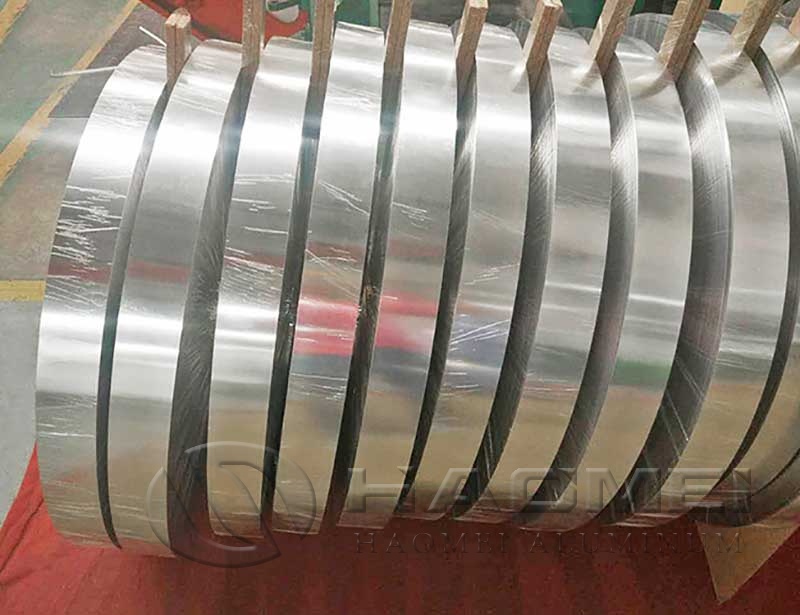
A flat strip is a rolled product supplied in straight lengths or in coils, with thickness typically much smaller than width and with edges that may be mill edge or slit edge. For industrial ordering, the most important information is not the name, but the measurable specifications that control downstream yield.
Dimensions and tolerances. Always specify thickness, width, length, and the tolerance standard or agreed limits. Thickness tolerance impacts press settings and electrical resistance. Width tolerance affects fit in channels and automated feeders. For slit edge material, ask for edge camber, burr direction, and maximum burr height because these factors affect safety and assembly.
Temper and mechanical requirements. Temper defines the strengthening condition of the alloy, for example O annealed for deep forming, H temper for work hardened strength, or T temper for heat treated grades. If you care about repeatable forming, request minimum elongation and, when relevant, a bend test requirement.
Flatness and residual stress. Flatness and coil set are frequent sources of line stoppage in high speed stamping or roll forming. If the part must remain flat after shearing or punching, consider specifying stress relieved processing where available, and agree on a flatness method of measurement.
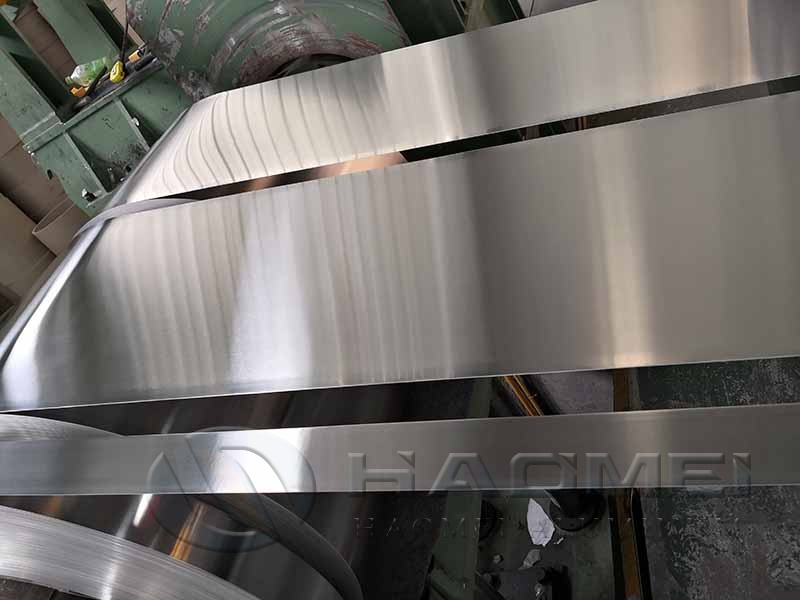
Surface quality and cleanliness. Surface defects can print through paint or anodizing. For conductive uses, oxide thickness, cleanliness, and oil type matter. State whether surface is mill finish, brushed, or prepared for anodizing, and whether protective film is required.
2) Choosing alloys and tempers without overbuying
Alloy selection should follow the performance requirement first, then cost and availability. Two broad patterns solve most industrial use cases.
High conductivity and general fabrication. The 1xxx series is commonly chosen for high electrical and thermal conductivity and corrosion resistance. When purity is prioritized, options like 1100 Pure Aluminum Strip are often specified for busbars, heat transfer elements, nameplates, and general forming where very high strength is not required.
Forming strength and corrosion resistance. The 3xxx and 5xxx series are frequent picks for forming and corrosion performance. 3xxx series aluminum manganese alloys are known for good formability and moderate strength, while 5xxx series aluminum magnesium alloys provide higher strength and strong marine and industrial corrosion resistance. If your parts see salt spray, cleaning chemicals, or outdoor exposure, confirm whether you need a 5xxx grade and specify any stress corrosion cracking concerns based on the service condition.
Machining and structural stiffness. The 6xxx series is often selected when you need a balance of strength, corrosion resistance, and anodizing response, particularly where tighter dimensional control and stiffness matter.
The table below can be used to align typical requirements with a practical material direction. Exact property values depend on temper and product standard, so confirm with mill certificates and the relevant ASTM or EN document used in your supply chain.
| Requirement that drives the order | Typical alloy family | Common temper direction | What to specify to avoid disputes |
|---|---|---|---|
| High conductivity, easy forming | 1xxx | O or H | Conductivity expectation, surface cleanliness, burr limits |
| Deep drawing, tight bend radii | 1xxx or 3xxx | O | Minimum elongation, bend test, grain direction notes |
| Higher strength with good corrosion resistance | 5xxx | H | Minimum tensile, flattening or bend criteria, edge quality |
| Anodized appearance parts | 5xxx or 6xxx | H or T | Surface class, scratch limits, film requirements |
| Roll formed profiles, stiffness | 6xxx | T | Yield strength range, straightness, residual stress controls |
3) Ordering details that reduce rejects and improve yield
Even when the alloy is correct, many rejects come from incomplete purchase descriptions. The following are the issues industrial customers tend to care about most because they directly affect throughput.
Edge condition and slit quality. If you are feeding material through dies, specify slit edge with controlled burr, and define burr direction relative to the coil winding. For hand assembly products, a lower burr requirement reduces deburring labor and injury risk.
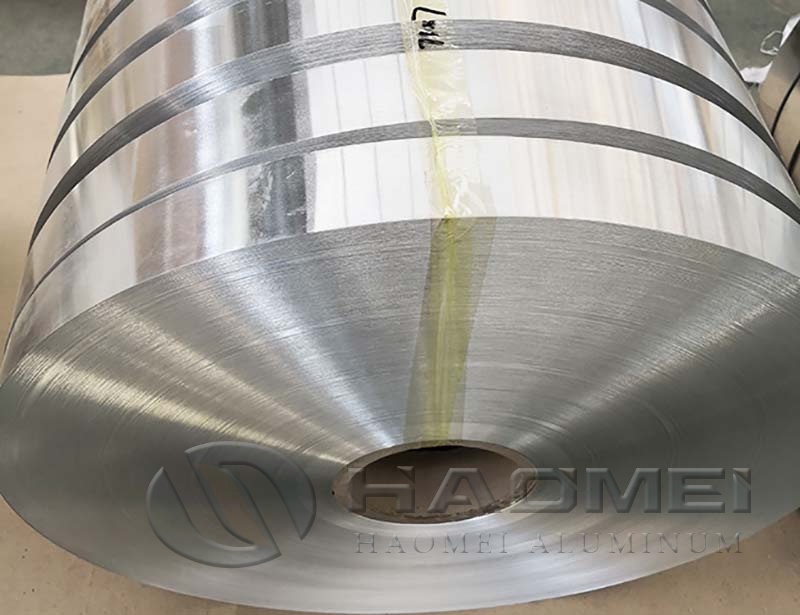
Coil ID, OD, and packaging. Coiled supply needs compatible inner diameter for decoilers, maximum outer diameter for handling, and a defined coil weight range. Packaging details like moisture barrier, corner protection, and pallet type prevent transit damage and oxidation staining.
Traceability and certificates. Request heat number traceability and mill test certificates listing chemistry and mechanical properties. When you need consistent color after anodizing, asking for tighter chemistry controls within the alloy limits can reduce batch to batch variation.
Surface protection and film choice. Protective film can prevent scratches but may leave adhesive residue if stored too long or exposed to heat. State the film type, adhesion level, and whether it must be laser compatible or suitable for powder coating.
Quality checkpoints for incoming inspection. Agree on a simple incoming plan: verify thickness and width at multiple points, check camber over a defined length, inspect edge burr, and confirm surface class under consistent lighting. For critical applications, include a bend test coupon requirement.
To make specifications easier to communicate internally, the table below is a practical order checklist that aligns with common factory needs.
| Category | Minimum information to state on the order | When to tighten it |
|---|---|---|
| Size | Thickness, width, length or coil | Automated feeding, tight fit assemblies |
| Tolerances | Reference standard or numeric limits | Precision stamping, electrical resistance control |
| Temper | O, H, or T temper plus target mechanicals | Tight bend radius, fatigue, load bearing use |
| Edge | Mill edge or slit edge, burr limit, camber | High speed lines, safety critical handling |
| Surface | Finish class, allowed defects, protective film | Anodizing, painting, visible trim parts |
| Packaging | Coil ID, coil weight, protection, labeling | Long distance freight, humid storage |
If your application needs a well understood, readily available choice for general industrial use, 1050 Aluminium Metal Strip is often considered because it combines good corrosion resistance with strong formability, and it is widely used where ultra high strength is not the main target.
Finally, for quoting and lead time accuracy, provide end use processing details such as stamping, bending radius, welding, anodizing, or lamination. These details help the supplier recommend the right temper, edge control, and surface protection so the material runs consistently on the first production lot.
Original source: https://www.aluminumstrip24.com/news/aluminium-flat-strip.html
Tags: aluminium flat strip, aluminum strip stock,
Previous: Aluminum Strip For Transformer Winding
Next: Aluminium Strip 1mm