

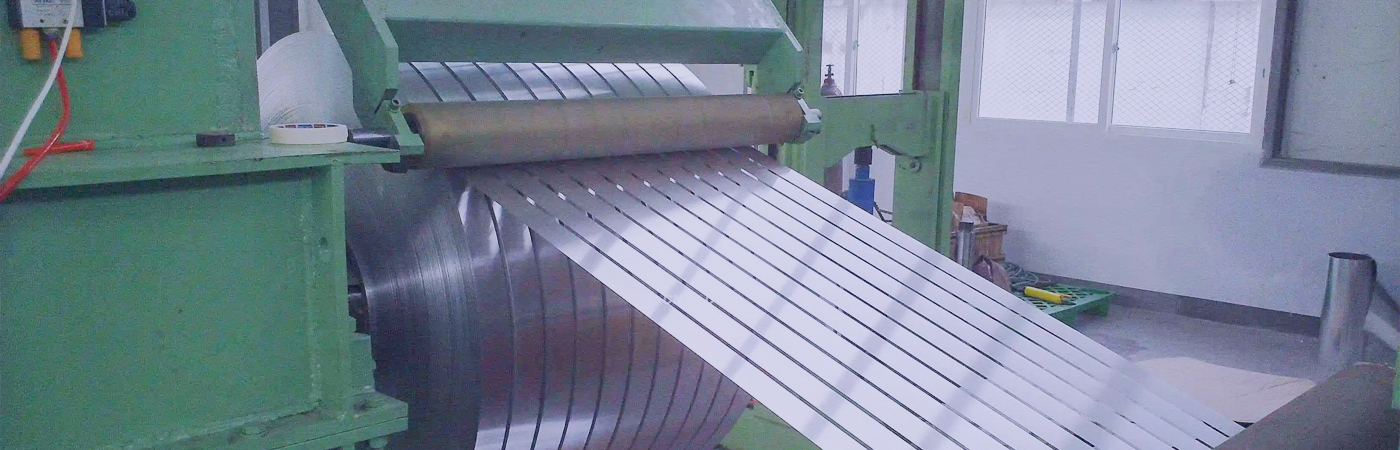
Aluminium Strip 1mm
The top concern with 1 mm strip: flatness after slitting and forming
At 1.0 mm thickness, many performance complaints trace back to shape: edge wave, center buckle, coil set, or crossbow that shows up after blanking, bending, or roll forming. For high yield, treat flatness as a controlled specification, not an assumption.
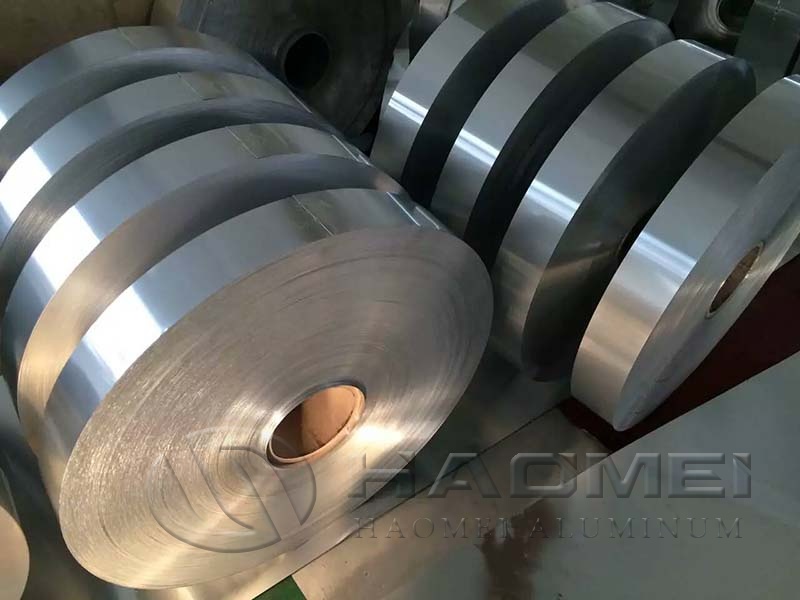
Standards, designations, and what to specify on a PO
Use widely recognized standards so inspection results are comparable between mills and service centers.
Common standards (choose based on region and customer drawings):
EN 485-2: tolerances on dimensions and form for rolled products.
EN 485-1: technical conditions for inspection and delivery.
ASTM B209 / B209M: aluminum and aluminum-alloy flat-rolled products (covers many alloys and tempers).
ISO 6361: wrought aluminum and aluminum alloy sheets, strips, and plates (general requirements).
Minimum PO line items (shape-focused):
Alloy and temper (for example, 1050A O, 3003 H14, 5052 H32).
Thickness: 1.00 mm and required thickness tolerance (numeric).
Width and width tolerance; specify trimmed edge vs slit edge.
Shape/flatness requirement (see checklist below).
Surface quality: one-side cosmetic, allowable scratches/pits, and oiling.
Coil ID/OD, max coil weight, and winding direction.
Inspection standard and certificate type (mill test report with chemistry and mechanicals).
For material selection by series, reference Alloys when aligning formability, corrosion resistance, and strength.
Flatness and tolerances: practical procurement targets
Because tolerance limits vary by standard, alloy, and width, set purchase limits as measurable outcomes. Use these typical, verifiable control metrics used in coil processing and receiving inspection:
| Item to control | How it is measured | Why it matters at 1.0 mm | What to put on the PO |
|---|---|---|---|
| Thickness variation | Micrometer or thickness gauge across width and along length | Affects press fit, hemming, and springback consistency | Thickness tolerance (numeric) plus test points per coil |
| Width variation | Caliper across multiple points | Influences die clearance and scrap rate | Width tolerance, edge type (slit/trim) |
| Camber | Deviation from a straight line over a defined length | Drives tracking issues in roll forming and stamping | Max camber per meter (numeric) |
| Flatness (wave/buckle) | Flatness table, feeler gauges, or defined I-unit method (if agreed) | Drives part distortion after blanking | Define allowable wave height over gauge length |
| Burr height | Burr gauge or tactile plus microscope if needed | Burrs cut operators, damage tooling, and worsen coating | Max burr height and deburring expectation |
Performance by alloy: choose the right family for 1.0 mm
When shape is critical, alloy and temper selection influences residual stress, slitting response, and springback.
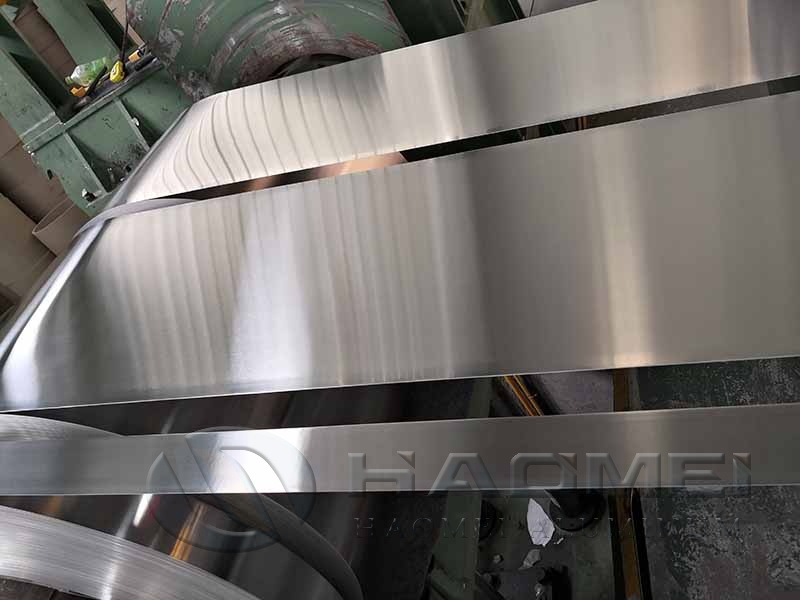
Quick comparison (shape + fabrication behavior)
| Alloy family (typical) | Strength trend | Formability | Corrosion resistance | Notes tied to flatness |
|---|---|---|---|---|
| 1xxx (1050, 1060, 1100) | Low | Excellent | Very good | Soft tempers help flattening; best for deep draw and electrical/thermal uses. Consider 1050 Aluminium Metal Strip where conductivity and tight shape control are priority. |
| 3xxx (3003, 3105) | Medium | Good | Good | Common for general fabrication; H14 balances stiffness and formability; manage coil set through leveling. |
| 5xxx (5052, 5083) | Medium to higher | Fair to good | Excellent | Higher springback; specify temper carefully (H32 vs O) if bending radius is tight. |
| 6xxx (6061, 6082) | Higher | Fair | Good | Often chosen for strength; may need more conservative bend radii; shape control depends strongly on processing route. |
Mechanical property verification (what the certificate should show)
Request MTR values consistent with the chosen standard (EN or ASTM). A usable certificate includes:
Chemical composition (alloy confirmation).
Tensile properties: ultimate tensile strength, yield strength, elongation.
Temper identification.
Note: actual numbers depend on alloy/temper and are specified in the relevant standard tables (EN 485-2 or ASTM B209). Do not accept "typical only" without test results when flatness and forming stability are critical.
Receiving inspection and testing checklist (problem-solving focused)
Use a short, repeatable plan on every coil/lot.
Step-by-step incoming QC
Coil ID check: alloy, temper, heat number matches paperwork.
Thickness mapping: at least 5 points across width and 3 along length (front, mid, tail).
Width and edge: confirm edge type and measure burr height.
Shape screening:
Uncoil 2–3 m on a flat table.
Record edge wave/center buckle presence.
Measure camber over a defined length.
Surface: confirm cosmetic side, check for roll marks, dents, oxidation, oil level.
Trial operation (recommended): run a short blanking/bending sample and record springback and distortion.
Common failure modes and what to change
| Symptom in production | Likely cause | Corrective action in next order |
|---|---|---|
| Parts "potato chip" after blanking | Residual stress, insufficient leveling | Add flatness requirement, request tension leveling, tighten camber limits |
| Burrs damage tooling or coating | Dull slit knives or poor clearance | Specify max burr height, request trimmed edges or controlled slitting |
| Excessive springback | Alloy/temper too hard | Switch to softer temper (e.g., O or H24), adjust bend radius |
| Tracking issues in roll forming | Camber or uneven edge wave | Specify camber limit and require shape report |
Packaging and logistics controls that protect flatness
Flatness can be lost after production if coils are mishandled.
Orientation: store coils on saddles; avoid edge-standing unless designed for it.
Strapping and eye protection: require edge protectors and adequate straps to prevent telescoping.
Moisture control: specify VCI paper or sealed wrap if sea shipment; prevent white corrosion.
Handling: use C-hooks or padded forks; prohibit chain contact with edges.
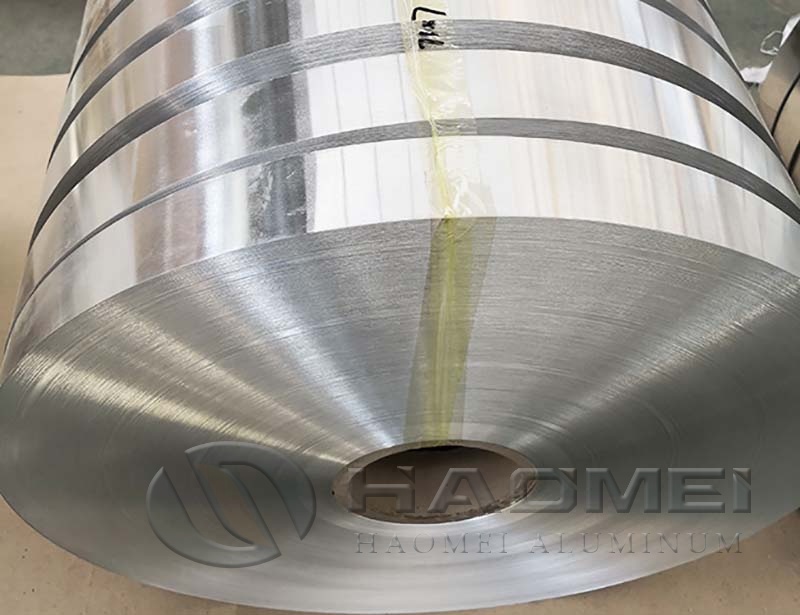
Procurement wording template (copy into your specification)
Material: aluminum alloy temper to EN 485 / ASTM B209.
Thickness: 1.00 mm, tolerance ____.
Width: mm, tolerance ; edge: slit (burr max ____ mm) or trimmed.
Shape: max camber mm per m; flatness: allowable wave height mm over mm gauge length.
Coil: ID mm; max weight kg; winding ____.
Certification: MTR with chemistry and tensile test results; include inspection standard reference.
Original source: https://www.aluminumstrip24.com/news/aluminium-strip-1mm.html
Tags: aluminium strip 1mm, aluminum strip tolerance,
Previous: Aluminium Flat Strip
Next: Aluminium Strip For Transformer Winding